Group of Hispanic Women: A Designer’s Review
As an embroidery designer who has spent countless weekends setting up booths at local craft fairs and managing an online handmade shop, I have learned that not every design translates into a bestseller. Some designs are technically perfect but lack emotional pull. Others are charming but impossible to stitch efficiently on textured fabrics. Today, I am reviewing Group of Hispanic Women, a machine embroidery design that promises to add a touch of flair to your clothes and home goods. My goal is to evaluate this piece not just as art, but as a viable craft fair product for sellers looking to expand their inventory with meaningful, culturally rich imagery.
First Impressions and Visual Appeal
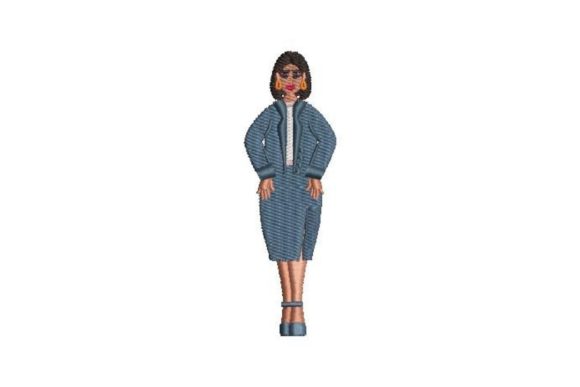
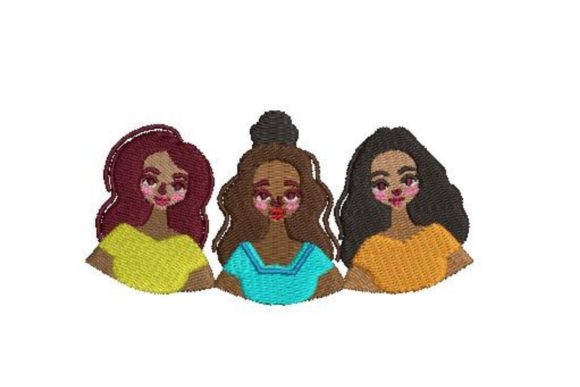
When I first loaded the digital embroidery file into my editing software, the immediate impression was one of warmth and community. The title suggests a depiction of connection and heritage, which resonates deeply in today’s market where buyers seek authenticity and representation. The description notes that "Hispanic women are so beautiful," implying that the design focuses on elegance, vibrant attire, or expressive features. This is not a minimalist or rustic farmhouse motif; it is a decorative, celebratory piece. For a booth display, this kind of visual storytelling stops traffic. It invites customers to look closer, creating an instant opportunity for engagement.
The design feels premium rather than cute or funny. It carries a weight of cultural pride that appeals to a broad demographic, from those celebrating their own heritage to allies who appreciate diverse art. In a sea of generic floral patterns and simple monograms, Group of Hispanic Women stands out as a focal point. It is bold enough to be seen from a distance on a hanging sample but detailed enough to reward close inspection.
Product Suitability and Market Fit
Choosing the right substrate is critical for any handmade product. Based on the likely complexity of a group portrait or figurative design, I evaluated where this artwork performs best. Here is how I see it fitting into a typical craft fair inventory:
- Tote Bag Design: This is arguably the strongest application. A canvas tote provides a large, flat surface that allows the design to breathe. The sturdy fabric supports the stitch count without puckering, making it an ideal tote bag design for everyday use. Customers love bags that make a statement, and this design offers both utility and artistic value.
- Apron Embroidery: Kitchen aprons are perennial bestsellers. Placing this design on the bib of a high-quality cotton apron creates a heartfelt gift item. It transforms a functional tool into a piece of wearable art. However, ensure the placement is centered and high enough to avoid interference with pockets or ties.
- Tea Towel Embroidery: While popular, tea towels present challenges. The loose weave of many linen or cotton towels can cause small details to get lost. If you choose this route, use a dense cut-away stabilizer and consider scaling the design up slightly to maintain clarity. This works best as a tea towel embroidery accent rather than a full-coverage print.
- Embroidered Patch: Creating iron-on or sew-on patches is a fantastic way to monetize a single design across multiple products. An embroidered patch allows customers to customize their own jackets, jeans, or bags. This lowers the entry price point for buyers who might not want a full tote but still want to support the art.
- Pillow Covers and Market Bags: These items offer ample space for larger hoop sizes. A decorative pillow featuring this group can serve as a stunning home decor item, appealing to buyers looking for unique, non-mass-produced accents.
It is worth noting that while the product category metadata lists "Boys," this design’s theme and aesthetic are far more aligned with adult accessories, home decor, or women’s apparel. As an Etsy seller or boutique maker, I would position this away from children’s wear unless specifically adapted, focusing instead on the adult market where appreciation for cultural art is higher.
Production Practicalities for Small Shop Owners
For those of us running a small shop product line, efficiency is key. Before committing to batch production, there are several technical factors to consider with Group of Hispanic Women.
First, check the stitch density. Figurative designs often require varied densities to create shading and depth. High-density areas can cause fabric puckering if not properly stabilized. I recommend testing the design on scrap fabric identical to your final product. Pay attention to how the thread lays on different materials. A thick denim will handle heavy stitching well, but a lightweight rayon blouse fabric might distort.
Second, evaluate the thread colors. The beauty of this design likely relies on vibrant, contrasting hues to depict traditional clothing or skin tones. Ensure your thread library matches the digitized colors closely. If the design uses subtle gradients, test it on both light and dark fabrics. On dark fabric, you may need an underlay or a white base layer to prevent the background color from dulling the vibrancy of the top stitches.
Third, consider the hoop size. The description mentions multiple file formats, which is excellent for versatility. However, verify the maximum dimensions. If the design is wide, ensure your hoop can accommodate it without requiring complex re-hooping techniques that slow down production. For curved surfaces like caps, this design might be too large or detailed. Caps require simpler, bolder lines to remain legible from a distance. I would advise against using this specific design on caps unless a simplified, smaller version is available.
Marketing and Brand Consistency
From a marketing perspective, Group of Hispanic Women is a powerful asset for brand consistency. It signals that your shop values diversity and quality. When creating your printable mockup for online listings, do not just place the design on a white background. Show it in context: a tote bag slung over a shoulder, an apron tied in a sunny kitchen, or a pillow on a cozy sofa. These lifestyle images help buyers visualize the finished product in their own lives.
Photography is crucial. Embroidery has texture and sheen that flat prints lack. Use side lighting to highlight the raised stitches and the quality of the thread. This emphasizes the handmade quality that justifies a higher price point compared to printed alternatives. For commercial embroidery sellers, ensuring that the licensing terms allow for finished goods is mandatory. The description states it can be used with multiple machines, but always confirm the commercial license details before selling.
Final Verdict for Craft Fair Sellers
In conclusion, Group of Hispanic Women is a strong contender for your next craft fair lineup. It moves beyond generic decor to offer something with soul and story. It performs best on larger, flat surfaces like totes, aprons, and pillows where the details can be fully appreciated. While it requires careful attention to stabilizer choice and thread contrast, the visual payoff is significant. It draws attention, sparks conversation, and adds a layer of cultural richness to your booth. For the creative entrepreneur looking to diversify their design assets with meaningful, sellable art, this design is a worthwhile addition. Just remember to test, stabilize, and photograph with care to let the beauty of the stitch work shine.