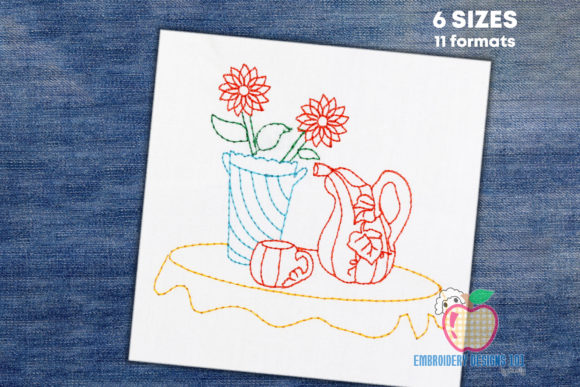
Mug Made with Pumpkin and a Sunflower Review
As an embroidery designer constantly scouting for unique assets to elevate boutique apparel, I recently took a closer look at the Mug Made with Pumpkin and a Sunflower design available on Creative Fabrica. In the world of custom apparel, finding a motif that bridges the gap between rustic charm and modern trendiness is often a challenge. This piece, categorized under Outline Flowers, immediately caught my eye for its potential versatility beyond its suggested home decor applications. While the product description highlights its suitability for table cloths, kitchen towels, and aprons, my professional instinct sees a goldmine for autumn-themed sweatshirt embroidery and cozy hoodie collections.
Visual Personality and Design Mood
The first impression of Mug Made with Pumpkin and a Sunflower is one of warm, inviting nostalgia. The combination of a pumpkin and a sunflower creates a visual narrative that screams "harvest season" without feeling overly cliché. The outline style lends itself beautifully to a minimalist aesthetic, which is currently dominating the boutique brand landscape. Unlike dense, heavy fills that can stiffen fabric, this design suggests a lighter touch, perfect for the soft drape of oversized garments. The mood is distinctly playful yet grounded, offering a cute but sophisticated vibe that appeals to a wide demographic, from young adults seeking trendy fall outfits to families looking for matching seasonal wear.
The decorative strength of this machine embroidery design lies in its simplicity. By utilizing an outline approach, it allows the texture of the underlying fabric to shine through. This is crucial when working with textured materials like French terry or fleece, common in high-quality hoodies. The design feels premium because it trusts the substrate to do some of the heavy lifting visually, rather than covering it entirely with thread. It strikes a balance between a handmade product feel and a polished commercial embroidery product.
Strategic Placement for Apparel Collections
When planning a small collection for an online shop, placement is everything. For sweatshirt embroidery, I envision this design working exceptionally well as a left-chest accent on neutral-toned pullovers. A cream or oatmeal sweatshirt paired with earthy thread colors would create a subtle, high-end look. Alternatively, for a bolder statement, placing Mug Made with Pumpkin and a Sunflower centered on the back of an oversized hoodie can serve as a striking focal point. The verticality of the sunflower combined with the roundness of the pumpkin creates a balanced composition that draws the eye.
For t-shirt embroidery, this design offers flexibility. It could work as a pocket detail on a heavyweight tee or even as a sleeve accent on long-sleeve thermal shirts. When considering tote bag design, the sturdier canvas material provides an excellent backdrop for the outline stitches, ensuring the details remain crisp. However, for denim jackets, one must be mindful of the fabric thickness; the design's open nature should penetrate well, but testing is essential to ensure the needle does not struggle with multiple layers.
In terms of lifestyle product photos and printable mockups, this design is a winner. Its clear lines translate beautifully into digital renderings, allowing Etsy sellers to create compelling social media graphics that highlight the intricacy of the stitch work without visual clutter. For finished product presentations, the contrast between the thread and the garment color will define the success of the image.
Fabric Considerations and Technical Challenges
While the potential is vast, a professional review must address where to use this design carefully. The primary concern with any embroidery on apparel is the fabric texture and stretch. Fleece and ribbed fabrics, common in cozy seasonal outfits, can be tricky. If the stitch density is too high for the fabric weight, it may cause puckering or restrict the stretch of the garment. Since this is an outline design, it likely mitigates some of these risks, but checking the specific stitch density in the embroidery file is a mandatory step before production.
Dark garments present another consideration. To maintain the fresh and creative touch mentioned in the description, selecting high-contrast thread colors is vital. A bright orange pumpkin and yellow sunflower against a charcoal or navy hoodie can pop beautifully, but if the threads are too dark, the outline details may get lost. Furthermore, curved surfaces like the sleeves of a fitted sweatshirt require careful hooping to prevent distortion. Small chest placements demand precision; even a slight misalignment is noticeable on such a clean design.
It is also important to note that the product description mentions usage for gardening outfits and kitchen textiles, which implies durability. However, apparel undergoes different stress points, particularly around the neck and cuffs. Ensuring the stabilizer choice matches the garment type—perhaps using a cut-away for stretchy knits versus a tear-away for wovens—is critical for longevity.
Enhancing Brand Identity and Value
Incorporating Mug Made with Pumpkin and a Sunflower into a product line can significantly affect apparel value and brand identity. For a boutique brand, consistency is key. Using this design across various items—tote bags, hoodies, and tees—creates a cohesive collection that enhances product recognition. Customers begin to associate this specific aesthetic with your small shop product offerings, building buyer trust.
The professional presentation of the finished product relies heavily on the quality of the stitch. A clean, well-executed outline design signals attention to detail, which justifies a higher price point. For creative entrepreneurs and digital sellers, this design offers a way to diversify inventory without needing to create artwork from scratch. It allows for rapid prototyping of new ideas, keeping the brand relevant with seasonal trends.
Practical Designer Notes for Production
Before committing to a full production run, I recommend the following steps to ensure the best results with this Creative Fabrica embroidery asset:
- Test on scrap fabric: Always stitch out the design on the exact same material and weight as your final garment to check for puckering or registration issues.
- Check stabilizer choice: Match the stabilizer to the fabric stretch; knit backs or cut-aways are often safer for sweatshirts than standard tear-aways.
- Review thread color contrast: Ensure your selected palette makes the outline visible, especially on dark apparel.
- Confirm hoop size: Verify that the design fits within your available hoop dimensions, particularly if planning large back placements.
- Inspect stitch density: Analyze the file to ensure it isn't too dense for lightweight tees or too sparse for heavy fleece.
- Compare placement options: Mock up the design on the chest, sleeve, and back to see which offers the most visual impact for your specific garment cut.
- Verify licensing: Always check the Creative Fabrica product details and licensing terms regarding commercial embroidery products to ensure you are compliant when selling finished apparel.
One crucial detail to remember is that the provided description does not explicitly list stitch count, specific file formats, or exact hoop size requirements. As a responsible designer, you must confirm these technical specifications on the product page before purchasing. Assuming compatibility without verification can lead to costly mistakes in a production environment.
In conclusion, Mug Made with Pumpkin and a Sunflower is a versatile digital embroidery file that holds significant promise for the right application. While marketed towards home decor, its aesthetic qualities make it a strong contender for the fall apparel market. With careful attention to fabric selection, stabilizer use, and placement strategy, this design can help handmade business owners and Etsy sellers create standout pieces that resonate with customers seeking warmth and style. It is a reminder that sometimes the best designs for fashion are those that break traditional category boundaries.