Tote Bag in the Hoop: A Designer’s Review
As an embroidery designer who has spent countless weekends behind a craft fair table, I know that not every machine embroidery design is created equal. Some look stunning on a screen but fail to capture attention in a busy booth. Others are so complex they eat up production time, killing your profit margins. Today, I am reviewing Tote Bag in the Hoop, a digital product that promises a stylish outcome for those who may not even own a traditional sewing machine. For the serious Etsy seller or boutique maker, this review focuses on real-world viability, visual appeal, and production practicality.
First Impressions and Market Fit
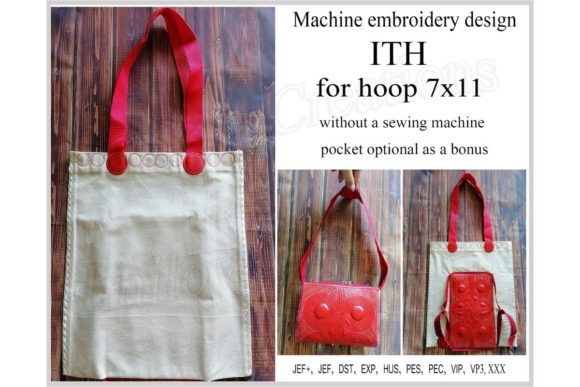
The title Tote Bag in the Hoop immediately suggests convenience and modern utility. In the current market, customers are drawn to items that feel handmade yet polished. This embroidery file falls squarely into the Accessories category, specifically targeting the evergreen demand for reusable bags. My first impression is that this design leans toward a clean, functional aesthetic. It does not scream "rustic farmhouse" or "overly festive," which actually works in its favor. A neutral, stylish approach allows it to fit into various brand identities, from minimalist chic to eco-conscious boutiques.
For a craft fair seller, the ability to produce a finished product without extensive sewing skills is a massive advantage. The description notes it is created especially for those who don’t have sewing machines. This implies the design likely utilizes built-in seam allowances or fold-over techniques within the hoop. This is a critical selling point for small shop owners who want to scale production without investing in industrial sergers or spending hours at a domestic sewing station.
Performance Across Product Lines
While the primary application is obviously a tote bag design, experienced makers know that versatility increases ROI. Here is how I see this digital embroidery file performing across different Embroidery applications:
- Tote Bags and Market Bags: This is the natural home for the design. Canvas or heavy cotton twill provides the stability needed for larger hoop sizes. The result is a sturdy, giftable item that photographs beautifully for online listings.
- Apron Embroidery: If the design elements can be isolated, they could work well on bib aprons. However, you must check if the full "in the hoop" structure translates to a flat applique or if it is strictly a 3D construction.
- Tea Towel Embroidery: Caution is advised here. Tea towels are thin and textured. Unless the design has a low stitch density and uses a proper cut-away stabilizer, it may pucker the fabric. It is likely better suited for heavier kitchen linens than delicate glass towels.
- Embroidered Patches and Pouches: If the design can be scaled down, it might work for small zippered pouches. However, tiny details often get lost in smaller hoop sizes. Always test scaling before committing to batch production.
Production Practicality for Craft Fairs
When preparing a table display, speed and consistency are key. A craft fair product must be easy to reproduce. Since Tote Bag in the Hoop minimizes post-hoop sewing, it is ideal for batch production. You can hooping multiple units, let the machine run, and trim them out efficiently. This reduces the bottleneck of finishing work, allowing you to keep your booth stocked during high-traffic events.
Visual appeal is another major factor. Does the design stand out from ten feet away? Bold lines and good contrast in thread colors are essential. If the design relies on subtle shading, it may look muddy from a distance. I recommend creating at least one real printable mockup or physical sample in a bright, contrasting color to test visibility. For your booth, hang these bags at eye level. The structural integrity of an "in the hoop" bag usually means it holds its shape well, making for an attractive display without needing excessive stuffing or props.
Careful-Use Notes and Technical Considerations
Before you list this as a commercial embroidery product, there are technical hurdles to address. Not every fabric behaves the same way. Here are my professional warnings:
- Fabric Texture and Weight: This design likely requires a medium-to-heavy weight fabric to support the structure. Lightweight quilting cotton may not provide enough body for the bag to stand up, while thick denim might challenge your needle penetration. Always test on scrap fabric first.
- Stitch Density: Check the stitch count if provided. High-density areas on curved surfaces can cause puckering. If the design includes dense fill stitches, use a stabilizer that matches the fabric weight. For canvas, a tear-away might suffice, but for softer fabrics, a cut-away is safer.
- Dark Fabric Challenges: If you plan to sell on dark navy or black canvas, ensure the design includes underlay stitches that prevent the background fabric from showing through light thread colors. You may need to adjust your thread palette for darker materials.
- Hoops and Sizing: Confirm the required hoop size before purchasing. If you only have a 4x4 hoop and this design requires a 5x7 or 6x10, you will need to upgrade your equipment. Never assume compatibility.
Enhancing Brand Consistency and Value
Using a cohesive design like Tote Bag in the Hoop helps build brand recognition. If you sell handmade products with a specific aesthetic, ensure the font style and motif align with your other items, such as caps or pillow covers. A disjointed look can confuse buyers. However, a well-executed tote serves as a walking advertisement. When a customer carries your bag around the fair or their daily commute, it acts as mobile marketing.
To maximize perceived value, pay attention to the finishing touches. Even though it is "in the hoop," loose threads must be trimmed meticulously. Use high-quality threads that resist fading. These small details elevate a simple small shop product into a premium gift item. Customers are willing to pay more for a finished product that looks professionally manufactured rather than hastily assembled.
Final Verdict for the Modern Maker
Tote Bag in the Hoop represents a smart choice for embroidery business owners looking to expand their design assets with low-sew options. It bridges the gap between digital convenience and tangible quality. For the Etsy seller or weekend warrior, it offers a streamlined path to inventory. However, success depends on execution. Do not skip the testing phase. Verify the license terms for commercial embroidery use, as some designers restrict the number of finished items you can sell.
In summary, this design has strong potential for craft fairs and online markets due to its practical nature and stylish simplicity. By focusing on fabric choice, stabilizer selection, and consistent branding, you can turn this machine embroidery design into a bestseller. Remember, the best products are not just about the stitch file; they are about how you present, produce, and position them in the marketplace. Test it, tweak it, and watch it sell.