Yellow Butterfly with Burgundy Spots: A Pro Review
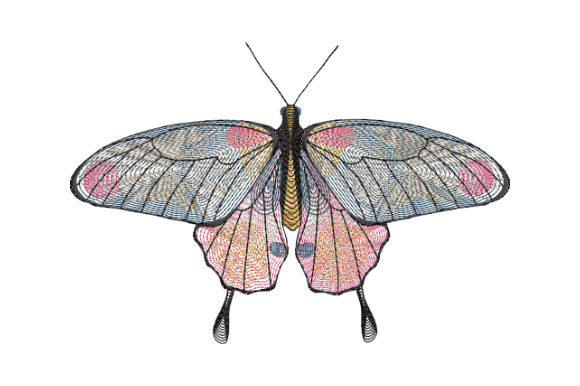
As an embroidery designer who spends countless hours digitizing and testing files for commercial use, I approach every new machine embroidery design with a critical eye. It is not just about whether a image looks pretty on a screen; it is about how that digital embroidery file translates into thread on fabric, especially when that fabric becomes part of a small business's brand identity. Today, I am reviewing the Yellow Butterfly with Burgundy Spots, a design categorized under Bugs, to see if it holds up as a viable asset for branded merchandise, staff uniforms, and handmade product lines.
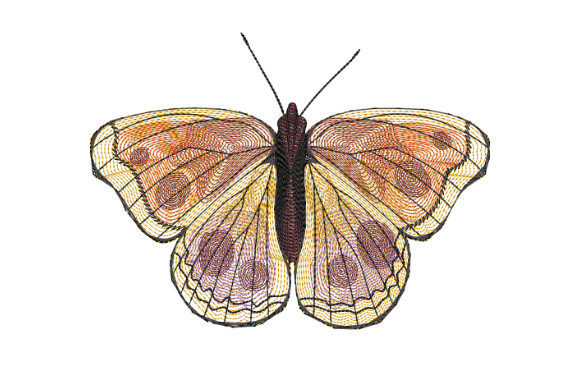
My first impression of the Yellow Butterfly with Burgundy Spots is one of warmth and approachability. The color combination described—yellow wings paired with burgundy accents—is psychologically potent for branding. Yellow symbolizes radiance, joy, and energy, while burgundy adds a layer of sophistication, depth, and earthiness. This is not a childish cartoon; it feels like a curated element suitable for a boutique florist, an organic bakery, or a creative studio looking to project a friendly yet premium image. For small business owners selling small business merch, this balance is crucial. You want something that catches the eye without sacrificing professionalism.
Real-World Application for Branded Merchandise
When evaluating a design for commercial embroidery projects, context is everything. Where does the Yellow Butterfly with Burgundy Spots actually work best? Based on its description as a "lovely" decoration with delicate wings, I see immense potential in specific applications where softness and detail are assets rather than liabilities.
For custom apparel such as linen aprons used in cafes or bakeries, this design could serve as a beautiful chest accent. Unlike a heavy, blocky logo that might stiffen the fabric, a butterfly motif suggests movement and lightness. On a tote bag, particularly canvas or cotton blends, the contrast between the bright yellow and deep burgundy would pop effectively, creating a memorable tote bag design that customers actually want to carry. For Etsy sellers and crafters, adding this as an embroidered patch to handmade journals, denim jackets, or hair accessories could elevate a simple item into a premium handmade product.
I also envision this working well for event merch. Imagine a local garden center or a pet brand hosting a spring workshop; having caps or shirts featuring this butterfly creates a cohesive visual theme. The "radiance and warmth" mentioned in the product description align perfectly with businesses that rely on customer trust and a welcoming atmosphere. However, for cap embroidery, one must be cautious. The curvature of a cap requires a design that is not too wide or overly detailed in the center, or the stitching may pucker. If the wing span of this design is moderate, it could work as a side-panel detail rather than a full-front centerpiece.
Technical Considerations and Production Challenges
While the aesthetic appeal is high, a professional review must address the technical realities of turning this embroidery file into a finished product. The description notes "delicate yellow wings," which immediately raises flags regarding stitch density and scale. Delicate details often mean fine satin stitches or small fill areas that can be problematic if resized incorrectly.
If you are planning to use the Yellow Butterfly with Burgundy Spots for small product labels or tiny patches, you must verify the minimum viable size. Fine details tend to merge or disappear when scaled down below a certain threshold, especially on textured fabrics. Before running a production batch, I strongly advise testing the design on the actual fabric texture you intend to use. A smooth polo shirt will yield different results than a rough canvas tote or a fuzzy fleece hoodie.
Furthermore, the choice of thread colors is critical here. Yellow thread can sometimes appear washed out if the underlying fabric is dark, unless a proper underlay is used. Since the design pairs yellow with burgundy, ensure there is sufficient contrast between the two thread types so the spots do not get lost against the wings. If you are embroidering on dark uniforms, you may need to adjust the brightness of the yellow or add a white underlay to make the design stand out. Always check the recommended hoop size provided with the file to ensure your machine can accommodate the full span of the wings without re-hooping, which can lead to registration errors.
Impact on Brand Identity and Customer Perception
In the world of small business, every visual element contributes to your brand identity. Using a generic clip-art style butterfly can make a brand feel cheap, but a well-digitized, thoughtful design like the Yellow Butterfly with Burgundy Spots signals attention to detail. It tells the customer that you care about the quality of your design assets. When a customer sees this emblem on an apron or a packaging tag, it reinforces a narrative of nature, care, and artisanal quality.
Consistency is key. If your brand uses earth tones and natural motifs, this design fits seamlessly. It enhances visual consistency across different touchpoints, from your website's printable mockup to the physical apron embroidery worn by your staff. This visual coherence builds recognition and trust. Customers are more likely to engage with a brand that presents a polished, unified front. The joy and warmth symbolized by the colors can subconsciously influence buyer engagement, making your products feel more inviting.
Essential Designer Notes for Business Owners
Before you purchase and deploy this design for your commercial needs, follow these practical steps to ensure success:
- Test in Monochrome First: Print the design in black and white to check if the shapes hold up without relying on color contrast. This ensures the silhouette is strong enough to be recognizable even from a distance.
- Verify Scale: Check if the design works at the specific size you need for patches or logos. Do not assume it scales infinitely; delicate wings may break down if made too small.
- Review Stabilizer Requirements: Delicate designs often require cut-away stabilizer rather than tear-away to prevent distortion over time, especially on items that will be frequently washed.
- Create a Mockup: Always create a printable mockup or stitch out a sample on scrap fabric before committing to a large run of custom apparel.
- Check Licensing: Confirm the commercial licensing terms included with the digital embroidery file. Ensure you have the rights to use it for resale items or branded uniforms.
- Compare Assets: Place this design beside your existing logo and other design assets to ensure the style and line weight are compatible.
The product description mentions the file is suitable for children's clothes, but do not let that limit your vision. With the right application, the Yellow Butterfly with Burgundy Spots transcends age groups to become a versatile symbol of warmth for any brand. Just remember, the description cuts off regarding specific machine details ("This machine e..."), so it is vital to contact the seller or check the full listing for exact stitch counts, supported formats (PES, DST, EXP, etc.), and specific hoop requirements before production.
In conclusion, for embroidery shops and brand owners looking to add a touch of organic elegance to their lineup, this design offers significant potential. It bridges the gap between playful and professional, provided it is executed with the right technical precautions. By respecting the limits of the stitch density and choosing the right fabrics, you can turn this machine embroidery design into a powerful tool for brand storytelling.