Yoga Line Art: A Designer’s Honest Review
As an embroidery designer who spends countless hours digitizing and testing files, I have learned that not every machine embroidery design is created equal. Some are overly complex, while others lack the finesse required for high-end handmade goods. Recently, I came across Yoga Line Art on Creative Fabrica, and it immediately caught my eye for its minimalist aesthetic. In the crowded world of Wellness themed decor and apparel, finding a design that balances simplicity with elegance is rare. I decided to put this file through its paces to see if it truly delivers on its promise of making yoga fabric more stylish.
First Impressions: Simplicity Meets Serenity
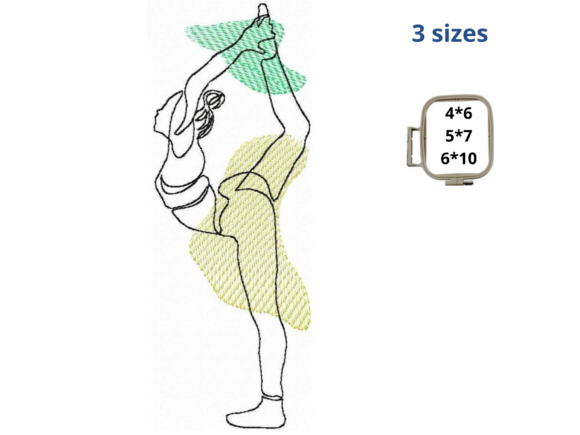
The moment I opened the preview for Yoga Line Art, I was struck by its clean lines. The description claims it is "simple and peaceful," and visually, it holds true. Unlike dense, heavy designs that can stiffen fabric, this piece relies on the beauty of negative space. For those of us creating custom apparel or home decor, this lightness is a significant advantage. It suggests a modern, understated look that appeals to customers who prefer subtle branding over loud graphics.
The visual mood is inherently calming, which aligns perfectly with the yoga and wellness niche. When considering a tote bag design or a meditation cushion cover, you want the embroidery to enhance the item, not overwhelm it. This design achieves that balance. It feels intentional and curated, which is exactly what buyers look for when purchasing from small business owners and creative entrepreneurs.
Real-World Application: From Hoop to Product
I evaluated Yoga Line Art with several specific projects in mind. Here is how I envision this embroidery file performing in real-world scenarios:
- Tote Bags and Aprons: The linear nature of the design makes it ideal for canvas or cotton tote bags. It stitches out quickly, allowing for higher production volume during craft fair seasons.
- Sweatshirt Embroidery: Placing this on the left chest of a hoodie or sweatshirt creates a boutique feel. It is small enough to remain delicate but large enough to be recognized as a quality detail.
- Nursery Decor and Baby Items: Because the design is soft and non-aggressive, it works beautifully on baby blankets or nursery wall hangings. It adds a touch of sophistication without being childish.
- Embroidered Patches: This design would translate well to a patch format, allowing customers to add a wellness touch to jackets or backpacks.
For Etsy sellers and handmade shop owners, versatility is key. A single digital embroidery file that can be used across multiple product lines increases your return on investment. Yoga Line Art offers that flexibility, fitting seamlessly into both apparel and home decor categories.
Technical Considerations for Stitching Success
While the design looks stunning in preview, successful execution depends on technical precision. As an experienced stitcher, I always advise checking the specific file details before starting. Since the product description notes that it "comes w" (implying multiple formats or sizes), you must confirm the hoop size compatibility with your machine. Most line art designs are forgiving, but proper setup is non-negotiable.
Fabric and Stabilizer Choices
Because this is a line-based design, it likely utilizes a combination of running stitch and perhaps light satin stitch elements. This means fabric choice matters immensely. On stretchy fabrics like jersey knits for t-shirts, using a cut-away stabilizer is crucial to prevent puckering. For woven fabrics like linen or cotton used in kitchen towels, a tear-away stabilizer usually suffices.
If you are stitching on dark fabric, pay close attention to thread colors. Line art relies on contrast. A subtle gray thread on black fabric might get lost, whereas a crisp white or metallic thread will pop. Always run a test on scrap fabric first. This step allows you to check stitch density and ensure that the tension is balanced. Poor tension can cause loops or breaks, which ruins the clean aesthetic of line art.
Handling Curved Surfaces
One popular application for wellness designs is on caps. Stitching Yoga Line Art on a curved cap surface requires careful hooping. Ensure the design is centered and that the stabilizer is properly adhered. If the design includes any tiny details, verify that your needle size is appropriate. A sharp needle helps penetrate layered cap materials cleanly, preserving the integrity of the lines.
Enhancing Brand Value and Customer Trust
Beyond the technical aspects, using high-quality designs like Yoga Line Art impacts your brand perception. In the competitive market of commercial embroidery, presentation is everything. A clean, professional stitch-out signals quality to the buyer. It builds trust, encouraging repeat customers and positive reviews.
When you create a personalized gift or a boutique merchandise item, the embroidery is often the focal point. This design’s peaceful vibe enhances the emotional value of the product. It transforms a simple pillow cover or apron into a mindful object. For creative entrepreneurs, this emotional connection drives sales. Customers are not just buying a stitched item; they are buying a feeling of calm and style.
Furthermore, this design lends itself well to printable mockup creation. Before you even stitch a single thread, you can visualize how Yoga Line Art looks on various products. This helps in planning your Etsy listings and social media content. High-quality visuals attract clicks, and accurate representation reduces return rates.
Practical Tips for Best Results
To ensure you get the most out of this Creative Fabrica embroidery purchase, keep these practical notes in mind:
- Check Licensing: Always review the license terms on the product page. Confirm whether the file allows for commercial use if you plan to sell finished items. Most Creative Fabrica designs offer commercial rights, but verification is essential.
- Test Stitch Density: Even with line art, density can vary. If the design feels too dense for lightweight fabric, consider using a water-soluble topping to prevent sink-in.
- Thread Contrast: Experiment with different thread combinations. Monochromatic threads offer a subtle, elegant look, while contrasting colors make a bold statement.
- Inspect Details: After stitching, inspect the small details. Trim any jumps or loose threads meticulously. Clean finishing is what separates amateur work from professional handmade products.
- Wash Testing: If creating items like kitchen towels or baby clothes that need frequent washing, test the durability. Ensure the stabilizer is completely removed and the stitches hold up after laundering.
Final Verdict: Is It Worth It?
After reviewing Yoga Line Art from both a creative and technical perspective, I believe it is a valuable addition to any embroidery designer’s library. It fills a specific niche for minimalist, wellness-oriented projects. It is not just a decorative element; it is a tool for creating cohesive, stylish products that resonate with modern consumers.
Whether you are an apparel decorator looking to expand your yoga wear collection, or a crafter seeking the perfect touch for a handmade gift, this design offers reliability and aesthetic appeal. It encourages careful stitching and thoughtful presentation, rewarding the effort with a beautiful outcome. For those building a brand around mindfulness and quality, Yoga Line Art is a smart, strategic choice. Just remember to check the specific file formats and hoop sizes provided in the download to ensure seamless integration with your workflow.