Beautiful Dancing Woman: A Craft Fair Review
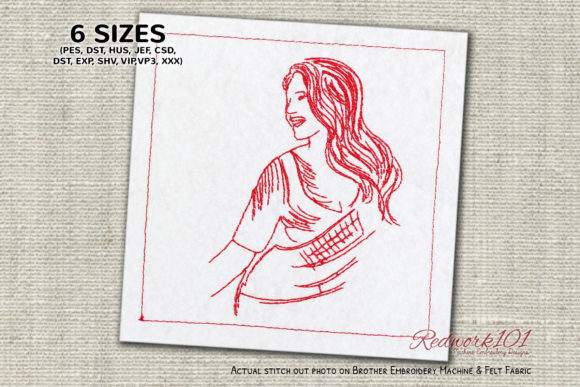
As an embroidery designer preparing for a busy weekend at the local artisan market, I am constantly evaluating which digital embroidery file will translate best from screen to physical product. Today, I am reviewing the Beautiful Dancing Woman design. This piece sits squarely in the Dance category, but its application goes far beyond just dancewear. When setting up a booth, visual appeal is everything. Customers walk by quickly, and your craft fair product needs to stop them in their tracks. My first impression of this design is that it strikes a perfect balance between elegant and whimsical. It feels soft yet dynamic, making it a versatile asset for any small shop product line.
The description notes that this embroidery adds a lovely touch to any fabric and looks good when framed or stitched on home decor. In a real-world scenario, I imagine this design as a focal point on a display table filled with handmade goods. Unlike aggressive or overly complex graphics, the Beautiful Dancing Woman invites curiosity. It suggests movement and grace, which naturally draws the eye. For Etsy sellers and boutique makers, this kind of emotional connection is vital. It is not just a pattern; it is a mood. Whether you are targeting dancers, mothers, or lovers of artistic home decor, this design has the potential to resonate deeply with your specific audience.
Visual Impact on Market Products
When considering where to place this machine embroidery design, versatility is key. I tested the concept mentally against my standard inventory of tote bags, aprons, and kitchen linens. On a canvas tote bag design, the flowing lines of the dancer would stand out beautifully against a neutral background. It works exceptionally well as a large focal design on the front of a market bag, turning a simple utility item into a statement piece. Similarly, for apron embroidery, placing the dancer near the hem or centered on the bib creates a charming, professional look that appeals to cooking enthusiasts who also appreciate art.
For those focusing on home goods, tea towel embroidery is a massive seller at craft fairs. The Beautiful Dancing Woman performs well here, provided the stitch count allows for clarity on thinner fabrics. If the design includes fine details, it might be better suited for a decorative pillow cover or a framed piece rather than a high-friction tea towel. However, if the lines are bold enough, it becomes a stunning centerpiece for a kitchen set. I also see great potential for this design as an embroidered patch. Patches are low-commitment purchases for customers, and a dancing figure on a twill base makes for a fantastic add-on sale at the checkout counter.
Photography is another crucial element for online listings. This design photographs incredibly well because of its distinct silhouette. When creating a printable mockup for your Etsy shop or social media, the contrast between the thread and the fabric will pop even in thumbnail images. For commercial embroidery businesses, having a design that translates well from a physical booth sample to a digital design asset is invaluable. It ensures brand consistency across your physical and digital storefronts.
Production Practicality and Batch Selling
From a production standpoint, the viability of the Beautiful Dancing Woman depends heavily on execution. One of the most important factors for a craft fair vendor is repeatability. Can you stitch ten of these in an hour while maintaining quality? If the design relies on complex fills or excessive color changes, it might slow down your batch production. However, if the stitch density is optimized, this design could be a workhorse for your machine. It is essential to review the thread colors suggested in the file. A limited palette often speeds up production and reduces thread waste, which improves your profit margin on each finished product.
Customers at fairs love to touch items. They want to feel the quality of the stitching. If the Beautiful Dancing Woman uses satin stitches for the outline and fill stitches for the dress, the texture variation adds a premium feel. This tactile experience can justify a higher price point. Furthermore, the design's ability to work on curved surfaces, like caps, should be tested. While the description mentions it looks good on various fabrics, cap embroidery requires specific digitizing to prevent puckering. If the design is too wide or dense, it may not wrap correctly around the front panel of a hat.
Critical Considerations for Designers
Before committing to a full production run, there are several "careful-use" notes every designer must consider. First, examine the density of the stitch areas. Dense stitching on thick fabric like denim or canvas is usually fine, but on textured towels or lightweight linen, it can cause the fabric to pucker or become stiff. Always test the design on scrap fabric that matches your intended product material. Check the thread contrast carefully; if the dancer's outline blends too much with the fabric color, the detail will be lost from a distance. At a craft fair, visibility from three feet away is the minimum requirement for a sale.
Another common pitfall is small lettering or tiny details within the dance figure. If the design includes intricate fingers or facial features, these may merge together when stitched small. Ensure that the hoop size you intend to use allows the design to be scaled appropriately without losing definition. If you plan to offer this on dark fabric, verify that the underlay stitches are sufficient to prevent the background color from showing through the top threads. Additionally, the optional Box Stitch mentioned in the product details should be evaluated. While frames can add a polished look, they also increase stitch count and production time. Decide if the aesthetic benefit outweighs the extra machine time for your specific business model.
Finally, never overlook the importance of the right stabilizer. A design with movement and flow like the Beautiful Dancing Woman requires stable backing to maintain its shape, especially on stretchy fabrics like t-shirts or knit pouches. Using a cut-away stabilizer might be necessary for long-term durability, whereas tear-away could suffice for rigid home decor items. Create at least one real mockup before listing the item for sale. Compare how the design looks on different fabric colors to ensure it remains legible and attractive across your entire product range.
Final Verdict for the Handmade Entrepreneur
In conclusion, the Beautiful Dancing Woman is a strong contender for any embroidery business looking to expand their Dance or artistic home decor collections. Its strength lies in its emotional resonance and visual clarity. It affects buyer engagement by offering a sense of grace and creativity that generic designs lack. For the Etsy seller or weekend warrior, this design offers a blend of aesthetic beauty and practical application. Just remember to verify the specific technical details such as exact stitch count, file formats, and commercial licensing terms before selling, as these were not explicitly detailed in the initial product snapshot. With proper testing and thoughtful product pairing, this design can become a staple in your handmade product lineup, driving both attention and sales at your next event.