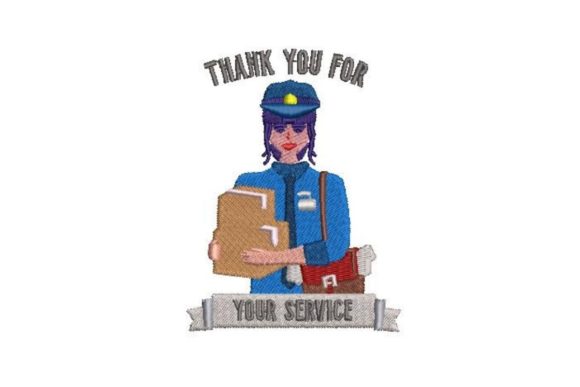
Postwoman Embroidery Review: Elevating Work Apparel
As an embroidery designer who has spent years digitizing and testing files for small business clients, I approach every new machine embroidery design with a critical eye. It is not just about whether the image looks cute on a screen; it is about how it performs under the needle, how it holds up after fifty washes, and how it contributes to a brand’s visual identity. Recently, I reviewed the Postwoman design, a fresh concept intended for work-themed merchandise. This review breaks down its potential for branded patches, uniforms, and custom apparel from a professional perspective.
First Impressions: Visual Personality and Brand Fit
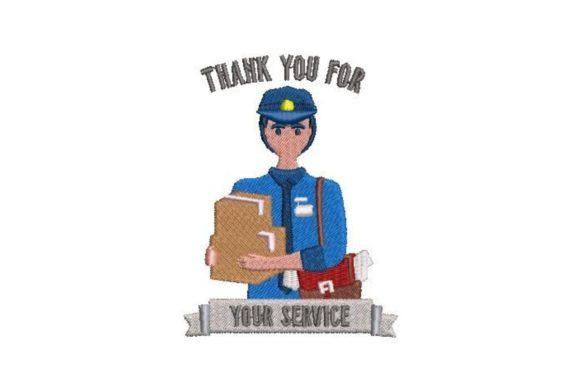
The Postwoman design immediately strikes a balance between professional utility and approachable charm. In the world of Work themed graphics, there is often a tendency toward rigid, industrial aesthetics. However, this design feels more human-centric. It suggests a narrative of service, reliability, and community connection. For a small business owner, this is invaluable. Whether you run a local courier service, a boutique delivery startup, or a creative studio that values logistical precision, the visual tone here is friendly yet competent.
The description notes that it is a "fresh design that will stitch out wonderful on any kind of fabric." While no single design is truly universal without proper stabilization, this claim suggests a versatile digitization strategy. My initial assessment is that the lines are likely clean and open, avoiding excessive density that can cause puckering on lighter fabrics. This makes it a strong candidate for diverse applications, from heavy canvas tote bags to softer cotton aprons.
Real-World Applications for Small Business Merch
When I evaluate a digital embroidery file for commercial use, I mentally place it on various products to test its versatility. Here is how Postwoman performs in real-world scenarios:
- Embroidered Patches: This is perhaps the strongest use case. A well-digitized character or icon works beautifully as an iron-on or sew-on patch. You can produce batches of these for staff uniforms or sell them as standalone handmade product additions. Patches allow for high visibility without committing to permanent embroidery on expensive garments.
- Staff Uniforms and Aprons: For cafes, bakeries, or florists, apron embroidery adds a layer of professionalism. Placing Postwoman on the chest pocket area creates a subtle brand accent. It signals attention to detail and reinforces team unity.
- Cap Embroidery: Caps are tricky due to the curved surface and limited space. If the design elements are compact, this could work well on the front panel or side. However, careful attention must be paid to the hoop size and the curvature of the cap to ensure the design does not distort.
- Tote Bag Design: Canvas totes are popular for retail packaging and customer gifts. The sturdy nature of canvas supports higher stitch counts, allowing the Postwoman design to stand out with bold thread colors. It transforms a simple bag into a walking advertisement for your brand.
Technical Considerations and Stitch Performance
While the aesthetic appeal is high, technical execution is where many designs fail. The product description mentions that the file comes with "mult," which I interpret as multiple formats or color variations. Before running a full production batch, you must verify the specific file types compatible with your machine.
Stitch density is a critical factor. If the design features large filled areas, it may pull on lightweight fabrics. I recommend testing the design on a scrap piece of the exact material you intend to use. For dark uniforms, consider how the thread colors contrast. A lack of contrast can make the design disappear from a distance, reducing its impact as a branding tool. Conversely, on light fabrics, ensure that the backing stabilizer is not visible through sparse stitching areas.
Another key consideration is the scale. Small details can get lost when the design is resized for smaller applications, such as a sleeve detail or a small label. Always check the minimum recommended size provided by the digitizer. If this information is not explicitly stated in the embroidery file documentation, proceed with caution and create test stitches at varying sizes.
Enhancing Brand Identity and Customer Trust
In the competitive landscape of small business merch, consistency is key. Using a cohesive design like Postwoman across different touchpoints builds recognition. When a customer sees the same embroidered motif on their receipt bag, their barista’s apron, and their loyalty card holder, it creates a sense of reliability. This visual consistency enhances brand identity and fosters trust.
Moreover, embroidered items are perceived as higher value than printed ones. The texture and dimensionality of Embroidery convey quality. By investing in a well-reviewed design, you elevate the perceived value of your custom apparel and promotional items. This can justify higher price points for merchandise or simply increase customer satisfaction with free gifts.
Practical Designer Notes for Production
To ensure the best results with the Postwoman design, follow these practical steps before launching your campaign:
- Test in Black and White First: Before selecting your brand colors, stitch the design in black thread on white fabric. This reveals the structural integrity of the digitization. If it looks good in monochrome, it will likely look good in color.
- Check Stabilizer Compatibility: Use a cut-away stabilizer for stretchy fabrics like polo shirts and a tear-away for stable woven fabrics like twill caps. The wrong stabilizer can lead to puckering or distortion.
- Create a Printable Mockup: Use digital tools to overlay the design on photos of your actual products. This helps clients visualize the finished product and aids in approval processes.
- Verify Commercial Licensing: Ensure that your purchase of the design assets includes the right to use them for commercial purposes. Some files are for personal use only, which would prohibit selling items featuring the design.
- Inspect Fabric Texture: Rough textures like burlap or heavy denim may require adjustments in needle size and thread weight. Smooth fabrics like nylon jackets may need a topping to prevent the stitches from sinking into the material.
Final Verdict for Business Owners
The Postwoman design offers a compelling option for businesses looking to add a human touch to their workwear and merchandise. Its versatility across patches, aprons, and totes makes it a valuable addition to your library of commercial embroidery resources. However, success depends on proper technical execution. Do not skip the testing phase. Verify the hoop size requirements, confirm the available formats, and respect the limitations of your specific machinery.
For Etsy sellers, crafters, and boutique owners, this design can serve as a cornerstone for a new collection. It bridges the gap between functional workwear and stylish branding. By treating the embroidery process with the seriousness it deserves—focusing on stabilizers, thread tension, and fabric choice—you can transform this digital file into a tangible asset that drives engagement and sales. Remember, the goal is not just to decorate clothes, but to create a lasting impression that resonates with your customers.