Postman Embroidery Design Review for Business Merch
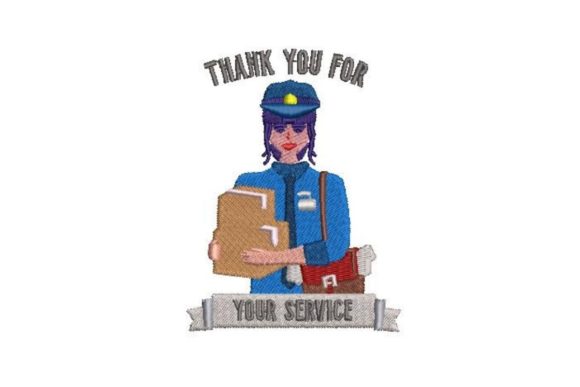
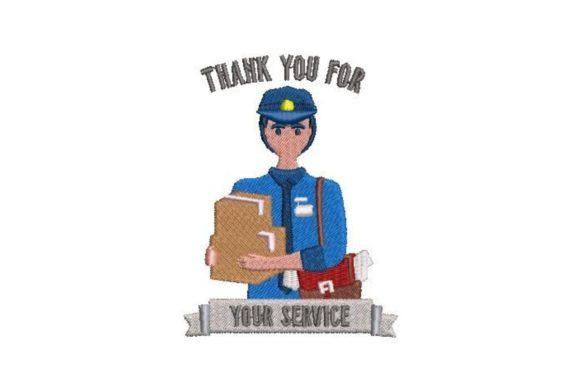
As an embroidery designer who has spent years digitizing and testing files for commercial use, I approach every new machine embroidery design with a critical eye. It is not just about whether a motif looks cute on a screen; it is about how it performs on fabric, how it holds up in the wash, and most importantly, how it serves a small business owner’s brand. Today, I am reviewing Postman, a design categorized under Work and Embroidery, to determine its viability for branded patches, uniforms, and boutique merchandise.
The product description invites us to "go along with the love for embroidering" and suggests this piece as a nice own-made gift for a postman. While the sentimental angle is charming, my focus here is strictly professional. Can Postman elevate a small business’s visual identity? Let’s dive into the details.
First Impressions: Visual Personality and Brand Fit
Upon loading the Postman digital embroidery file into my editing software, the immediate impression is one of approachable charm. The design leans heavily into a friendly, handmade aesthetic rather than a rigid corporate look. For businesses in the creative sector—such as local bakeries, florists, pet brands, or independent bookstores—this warmth is a significant asset. It feels rustic yet polished, striking a balance that appeals to customers who value artisanal quality.
However, "cute" can sometimes translate to "childish" if not handled correctly. The key to using Postman effectively in a commercial context is context. It does not scream high-tech innovation, but it whispers reliability and community care. This makes it an excellent candidate for businesses that want to project a sense of traditional service and personal touch. If your brand identity relies on being sleek, minimalist, or ultra-modern, this design might clash. But for anyone aiming for a cozy, welcoming vibe, it is a strong contender.
Real-World Applications for Small Business Merch
The versatility of a design is determined by where it can be placed without losing integrity. Here is how I envision Postman performing in real-world commercial embroidery scenarios:
- Embroidered Patches: This is perhaps the strongest use case. A well-digitized patch allows for portability and easy application. Postman would work beautifully as an iron-on or sew-on patch for canvas tote bags or denim jackets. It adds a layer of texture and perceived value to simple garments.
- Staff Uniforms and Aprons: For cafes and boutiques, staff apparel is a walking billboard. Placing Postman on the chest pocket of an apron embroidery project creates a subtle branding moment. It is less aggressive than a large back print but more personal than a generic logo.
- Cap Embroidery: Headwear is a staple of small business merch. The design’s compact nature likely suits the curved front panel of a baseball cap. However, curvature distorts stitching, so the density must be managed carefully to prevent puckering.
- Tote Bag Design: Canvas totes are popular eco-friendly giveaways. A centered Postman motif can turn a plain bag into a desirable accessory, enhancing customer loyalty through useful, branded items.
Technical Considerations and Production Risks
While the aesthetic appeal is clear, production realities must be addressed. The description notes that the design comes with "multiple embroidery" options, which usually implies various hoop sizes or format variations. This is crucial because a design that looks perfect at four inches may fail miserably at two inches.
Stitch density is a primary concern. If the design features fine details or tight fills, it may become a solid blob when scaled down for a small patch or sleeve detail. I strongly advise testing the smallest available size first. Additionally, consider the thread colors. The playful nature of Postman likely relies on specific color contrasts. If you are embroidering on dark uniforms, you will need to adjust the color palette or use an underlay stitch to ensure visibility. Without proper contrast, the design loses its impact.
Another critical factor is fabric texture. Embroidering on textured materials like terry cloth towels or coarse canvas requires different stabilizer strategies than smooth cotton. For a finished product that looks premium, always use a cut-away stabilizer for garments that will be washed frequently. This prevents the design from twisting or distorting over time, maintaining the professionalism of your brand.
Enhancing Brand Identity and Customer Trust
Why does the choice of embroidery matter for brand identity? Because tactile experiences build trust. When a customer receives a package with a beautifully embroidered tag or a thank-you note attached to a stitched patch, the perceived value of the transaction increases. Postman, with its theme of delivery and connection, subtly reinforces the idea that your business cares about the journey of the product to the customer.
Using this design on custom apparel or packaging accents can differentiate your shop from competitors who rely solely on printed labels. It signals effort and attention to detail. For Etsy sellers and crafters, this distinction is vital. It transforms a standard transaction into a memorable unboxing experience, encouraging repeat business and social media shares.
Practical Designer Notes for Implementation
Before you commit to a large production run using Postman, follow these steps to ensure quality control:
- Test in Black and White: Remove all color from your simulation to check for clarity. If the design relies too much on color shifts to define shapes, it may not read well on monochrome uniforms.
- Check Hoop Size Compatibility: Confirm that the provided formats fit your machine’s maximum hoop size. Do not assume scalability; always use the specific file intended for your chosen dimensions.
- Create a Printable Mockup: Before stitching, place the design on a digital photo of your actual product. This helps visualize scale and placement, saving time and thread.
- Verify Commercial Licensing: The description mentions offering it as a gift, but for business use, ensure you have the right to sell products featuring this embroidery file. Never assume a personal-use license covers commercial sales.
- Inspect Spacing and Jump Stitches: Look for long travel stitches that might need trimming. Clean finishing is what separates amateur hacks from professional design assets.
In conclusion, Postman is a promising addition to a designer’s library, particularly for those targeting niche markets that value warmth and tradition. It is not a one-size-fits-all corporate logo, but it is a powerful tool for building community-focused brand identity. By respecting the technical limitations of embroidery and strategically placing the design on high-quality materials, small business owners can leverage this motif to create standout merchandise. Always prioritize testing on your specific fabric and stabilizer combination to ensure the final result reflects the professionalism your brand deserves.