Super Dad Embroidery Design Review for Business
As an embroidery designer who has spent years digitizing and testing files for small business applications, I approach every new machine embroidery design with a critical eye. It is not enough for a file to look good on a screen; it must perform under the needle, withstand washing, and elevate the brand it represents. Today, I am reviewing Super Dad, a design positioned within the Father S Day category, to determine its viability for commercial use beyond simple holiday gifts. While the product description suggests it is ideal for t-shirts, sweaters, and backpacks, my focus is on how this digital embroidery file serves small business owners, apparel decorators, and handmade brands looking to expand their merchandise lines.
First Impressions and Visual Personality
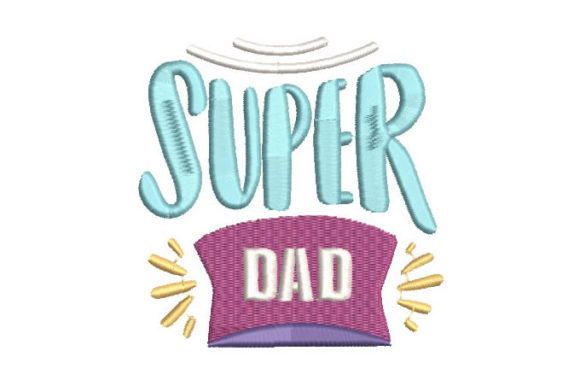
The title Super Dad immediately sets a tone that is playful yet respectful. In the world of branded merchandise, clarity is key. A design intended for fathers needs to balance sentimentality with masculinity to appeal to a broad demographic. Based on the description, this design aims to be "beautiful," which in embroidery terms often implies clean lines, balanced spacing, and thoughtful thread color transitions. For a boutique or creative studio, the visual personality of Super Dad feels versatile. It does not appear overly rustic or strictly modern, but rather occupies a friendly, classic space. This makes it suitable for a variety of brand identities, from a local bakery offering father-themed treats to a pet brand creating matching owner-and-dog apparel.
When evaluating the aesthetic for professional use, I look for designs that do not rely solely on trendy fonts or complex shading that may not translate well to thread. Super Dad seems to prioritize readability and impact, which is crucial when scaling a design down for a patch or up for a back-of-jacket statement piece. The "super" element suggests a potential for bold typography or iconic imagery, which can serve as a strong anchor for brand identity when used consistently across product lines.
Real-World Applications for Small Business Merch
For Etsy sellers and merch creators, the versatility of a design determines its return on investment. Super Dad is described as suitable for stitching on t-shirts, sweaters, and backpacks. However, its potential extends further into the realm of custom apparel and accessories. Here is how I envision this design performing in real business scenarios:
- Embroidered Patches: This is perhaps the most lucrative application. Creating iron-on or sew-on patches allows customers to customize their own gear. A well-digitized Super Dad patch can be sold as a standalone item or added to denim jackets and canvas totes.
- Cap Embroidery: Front-panel cap embroidery requires precise digitizing to avoid puckering. If the design width fits standard cap hoops, it becomes a high-margin item for sports teams, family reunions, or corporate gifts.
- Apron Embroidery: For barbecue shops, bakeries, or cooking classes, branded aprons featuring Super Dad can serve as both uniform and retail product. The design adds a personal touch that elevates a simple utility item into a keepsake.
- Tote Bag Design: Canvas tote bags are staples for boutique merchandise. Placing this design centrally or on a corner pocket creates a stylish, functional accessory that promotes the brand every time it is used.
- Staff Uniforms and Work Shirts: Local businesses can use this design for seasonal promotions. A hardware store or auto shop might offer these shirts as limited-edition staff wear or customer appreciation gifts during June.
The key to success in these applications is consistency. Using Super Dad across multiple product types helps build recognition. When a customer sees the same high-quality embroidery on a hat, a bag, and a shirt, it reinforces the professionalism of the small business merch provider.
Technical Considerations and Production Challenges
While the concept is strong, the execution depends entirely on the technical quality of the embroidery file. As a designer, I advise caution in several areas before committing to bulk production. First, consider the stitch density. Designs with too many stitches in a small area can cause fabric distortion, especially on lighter materials like t-shirt jersey. If Super Dad includes dense lettering or filled shapes, it must be tested on various fabric weights.
Second, evaluate the design for small patch sizes. Intricate details often get lost when scaled down. If the design includes fine lines or small text, it may not be legible on a 2-inch patch. I recommend creating a printable mockup at actual size to check readability. Additionally, curved surfaces like cap fronts require careful placement. The design must be centered and stabilized properly to prevent shifting during the embroidery process.
Dark uniforms present another challenge. If the design relies on light thread colors, ensure there is sufficient contrast against navy, black, or charcoal fabrics. Sometimes, adding an underlay or choosing a slightly bolder font weight can improve visibility. Always test on real fabric with the intended stabilizer before promising a finished product to a client. The texture of the fabric also plays a role; textured towels or rough canvas may require different needle types and tension settings compared to smooth polo shirts.
Enhancing Brand Identity and Customer Trust
Incorporating a design like Super Dad into your product lineup is not just about selling an item; it is about enhancing brand identity. High-quality embroidery signals attention to detail and durability. When customers receive a product with clean, professional stitching, their trust in the brand increases. This is particularly important for handmade brands and craft businesses where the perceived value is tied to craftsmanship.
Using this design for customer gifts or event merch can also drive engagement. For example, a florist might include a small Super Dad embroidered tag with a Father’s Day bouquet arrangement. This unexpected touch creates a memorable unboxing experience and encourages social media sharing. Similarly, a creative studio could use the design on limited-edition tote bags, creating scarcity and demand among their community.
Visual consistency is vital. Ensure that the thread colors used in Super Dad align with your brand palette. If your brand uses earth tones, avoid neon threads unless they are part of a specific campaign. Consistent use of color and style across all design assets helps customers instantly recognize your products, fostering loyalty and repeat business.
Practical Designer Notes for Commercial Use
Before launching Super Dad as part of your commercial embroidery offerings, follow these practical steps to ensure quality and compliance:
- Test in Black and White: Convert the design to grayscale in your software to check for contrast issues. If the design loses definition without color, it may need digitizing adjustments.
- Check Hoop Size Compatibility: Confirm that the design fits within standard hoop sizes (4x4, 5x7, etc.). If the description does not specify dimensions, measure the digital file before purchasing.
- Review Thread Color Contrast: Select thread colors that stand out against your most common fabric choices. Create a color chart for your team to ensure consistency across batches.
- Inspect Spacing and Density: Look for areas where stitches are too close together, which can cause thread breaks or bird nests. Adjust density if necessary for smoother operation.
- Confirm Commercial Licensing: This is critical. Ensure that the license accompanying the digital embroidery file allows for the sale of physical finished goods. Some designers restrict the number of items you can sell or require an extended license for mass production.
- Create Client Mockups: Use high-quality images of the embroidered design on various products for your marketing materials. A realistic printable mockup helps customers visualize the final result and reduces return rates.
In conclusion, Super Dad offers significant potential for small business owners looking to expand their Father S Day offerings. By treating it as a strategic asset rather than just a decorative element, you can leverage its appeal across patches, apparel, and accessories. Focus on technical precision, brand consistency, and proper licensing to maximize its value. With careful execution, this design can become a staple in your custom apparel catalog, driving sales and strengthening your connection with customers who value quality and thoughtfulness in their purchases.