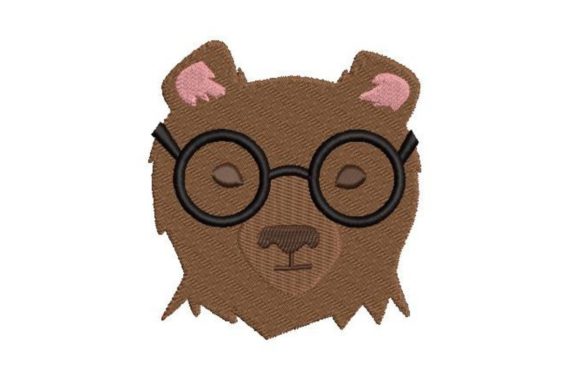
Hipster Bear Embroidery Design Review
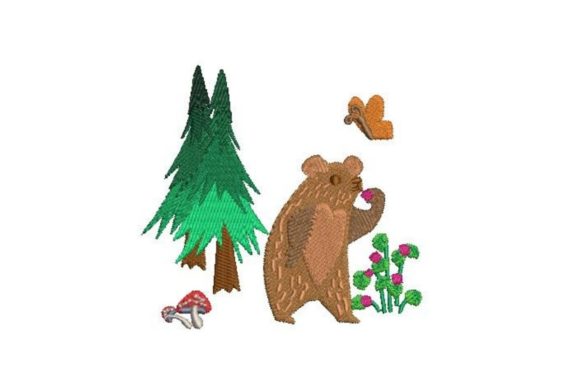
As an embroidery designer who has spent years digitizing and testing files for commercial use, I approach every new machine embroidery design with a critical eye. It is not just about whether the image looks cute on a screen; it is about how that design translates into thread, how it holds up on fabric, and ultimately, how it serves the business goals of my clients. Today, I am reviewing Hipster Bear, a charming entry in the Woodland Animals category, to determine its viability for small business merchandise and branded applications.
The initial impression of Hipster Bear is one of approachable modernity. The description promises a "cool touch" to your project, and visually, this design leans into the popular rustic-chic aesthetic that dominates current boutique trends. For small business owners, particularly those in the handmade, café, or creative studio sectors, this visual personality is a significant asset. It feels friendly yet professional, striking a balance that is often difficult to achieve in embroidered logos. The design does not scream "corporate stiff," nor does it feel amateurish. Instead, it offers a polished, playful vibe that aligns perfectly with brands aiming for a community-focused, artisanal identity.
Real-World Applications for Small Business Merch
When evaluating an embroidery file for commercial use, I always ask: where does this actually live on a product? Hipster Bear is versatile, but its strongest application lies in lifestyle branding. Imagine a local coffee shop wanting to elevate their staff uniforms. Placing this bear on the chest pocket of a denim apron creates an instant connection with customers. It softens the uniform, making the staff appear more approachable and aligned with the cozy, hipster aesthetic many cafes cultivate. This is far more effective than a plain text logo, as it adds character and memorability to the custom apparel.
Beyond uniforms, this design excels as an embroidered patch. Patches are a huge trend in small business merch because they allow for low-commitment branding on high-turnover items. You can sew these patches onto canvas tote bags, creating a durable and stylish tote bag design that customers will actually use. For Etsy sellers and crafters, offering a line of patched-up accessories featuring Hipster Bear can differentiate your shop from competitors using generic clipart. The woodland theme also makes it ideal for pet brands or outdoor-oriented boutiques, where the natural motif reinforces the brand’s values.
For those running a bakery or florist, consider using this design on packaging accents or limited-edition gift items. A small embroidery hoop displaying the bear can serve as a premium add-on for high-value purchases, enhancing the perceived value of the handmade product. It transforms a simple transaction into a memorable unboxing experience, fostering customer loyalty and encouraging social media shares.
Technical Considerations and Stitch Performance
While the aesthetic appeal is strong, the technical execution is where many designs fail. The product description notes that the design comes with multiple formats, which is standard, but it is crucial to verify the specific details before production. As a designer, I advise checking the stitch density immediately upon opening the file in your software. High-density fills can cause puckering, especially on lighter fabrics like cotton tees or linen aprons. If the Hipster Bear design has heavy saturation, you must use a cut-away stabilizer to maintain shape integrity. For caps, which have a curved and structured surface, ensuring the design is not too wide is essential to prevent distortion around the seam.
Thread colors play a pivotal role in how this design reads. The "hipster" vibe often relies on muted, earthy tones—think olive greens, mustard yellows, and slate grays. However, when embroidering on dark uniforms, such as navy or black work shirts, you must ensure there is sufficient contrast. A lack of contrast can make the details of the bear’s features disappear, reducing the design to a blurry blob from a distance. I recommend creating a printable mockup with your specific brand colors to test visibility before committing to a large batch of commercial embroidery.
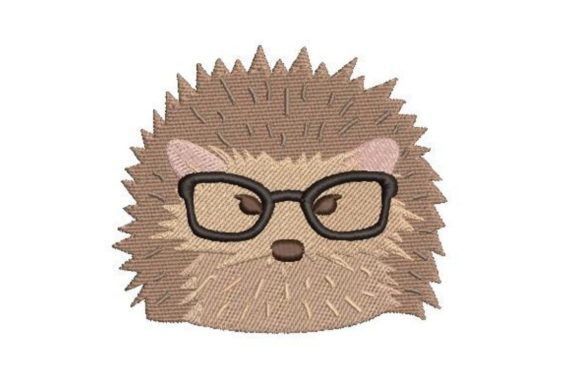
Another critical factor is the hoop size. If you intend to use this as a small chest logo or a sleeve detail, confirm that the design scales down well. Intricate details, such as the bear’s facial features or any accessory elements like glasses or scarves, may merge or break if the design is reduced too much. Always test stitch the design at your intended size on a scrap piece of the actual fabric you plan to use. This step reveals issues with fabric texture interaction, such as sinking into plush towels or pulling on stretchy knits.
Brand Identity and Customer Perception
Using a distinct character like Hipster Bear contributes significantly to your brand identity. In a saturated market, visual consistency is key to building trust. When customers see the same high-quality embroidered bear on your website, your packaging, and your physical store signage, it reinforces professionalism. It signals that you care about the details, which translates to perceived quality in your primary products. Whether you are selling candles, coffee, or clothing, the embroidery acts as a seal of approval, a mark of craftsmanship that mass-produced prints cannot replicate.
Moreover, this design aids in buyer engagement. People are drawn to characters. A friendly bear invites interaction, making your merchandise more than just a utility item; it becomes a companion. This emotional connection can drive sales, particularly for impulse buys at checkout counters or online add-ons. For digital embroidery file buyers, using this design in your marketing materials can attract a specific demographic that values whimsy and authenticity.
Practical Designer Notes for Production
Before you launch your next collection featuring Hipster Bear, follow these practical steps to ensure a flawless finished product:
- Test in Monochrome: Stitch the design in black thread on white fabric first. This reveals the clarity of the digitizing and highlights any unnecessary jumps or messy trims.
- Check Scaling Limits: Determine the minimum viable size for the design. If it loses definition below 3 inches, do not use it for small lapel pins or tiny pocket logos.
- Verify Licensing: The description mentions creating decorations, but always confirm the commercial license terms. Ensure you are allowed to sell physical products made with this digital embroidery file.
- Stabilizer Selection: Match your stabilizer to your fabric. Use tear-away for stable woven fabrics like canvas totes, and cut-away for stretchy materials like jersey t-shirts or polo shirts.
- Mockup for Approval: If you are designing for a client, present a realistic mockup showing the bear on their specific garment. This manages expectations regarding size and placement.
- Wash Testing: Embroidered items, especially aprons and uniforms, undergo frequent washing. Test a sample through five wash cycles to check for thread breakage or fabric puckering.
In conclusion, Hipster Bear is a strong contender for small businesses looking to inject personality into their merchandise. It bridges the gap between playful and professional, making it suitable for a wide range of applications from cap embroidery to boutique packaging. By paying attention to technical details like stitch density and color contrast, you can leverage this design to create high-value, engaging products that resonate with your customers. Always remember to check the specific file specifications provided with the download, as these will dictate the final success of your embroidery project.