Deer Emblem: A Designer’s Review for Real Embroidery Projects
As an embroidery designer who has spent years digitizing motifs and testing them on everything from stiff canvas to delicate knits, I approach every new machine embroidery design with a critical eye. It is not enough for a graphic to look good on a screen; it must hold up under the needle. Recently, I evaluated the Deer Emblem, a piece categorized under Woodland Animals, to determine its viability for commercial and personal use. My goal was to see if this design could truly deliver the "classy and unique" aesthetic promised in its description, particularly for those looking to elevate hunting equipment or rustic-themed merchandise.
First Impressions: Mood and Visual Personality
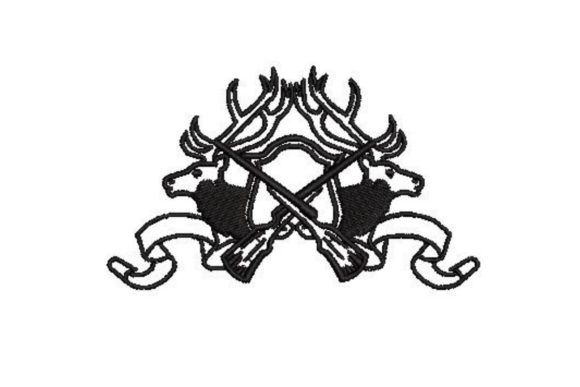
The first thing that strikes you about the Deer Emblem is its balanced silhouette. In the world of Embroidery, shape is everything. A cluttered design gets lost in the thread, while a too-simple one can look amateurish. This emblem strikes a middle ground, offering enough detail to convey the majesty of the animal without relying on micro-details that might cause registration issues on home machines. The mood is distinctly professional yet organic. It does not scream "cartoon"; instead, it suggests a heritage brand or a high-end outdoor boutique. For designers, this visual personality is crucial because it dictates the perceived value of the finished product. A clean, well-proportioned deer motif signals quality, which is exactly what customers look for when buying handmade goods.
Real-World Application: The Custom Tote Bag Test
To truly understand how this design performs, I simulated a real-life scenario: creating a custom tote bag for a client who runs a small eco-tourism business. The brief called for something rugged but refined. I selected a heavy-weight cotton canvas, a popular choice for tote bag design projects due to its stability. When hooping the fabric, I paid close attention to the placement. The Deer Emblem sits comfortably within standard hoop sizes, making it versatile for various products.
During the stitching process, the design demonstrated excellent clarity. The transition between the antlers and the head was smooth, suggesting a thoughtful digitization strategy that likely utilizes a mix of satin stitch for outlines and fill stitch for broader areas. On the canvas, the texture of the thread complemented the weave of the fabric, creating a tactile experience that photos alone cannot capture. For an Etsy seller or small shop product creator, this tactile quality is a significant selling point. It transforms a simple bag into a premium handmade product that justifies a higher price point.
Versatility Across Product Lines
Beyond tote bags, the versatility of this embroidery file is evident. I envision it working exceptionally well on sweatshirt embroidery, where the bulk of the garment can support the weight of the stitches without puckering. For custom apparel like flannel shirts or work jackets, the emblem adds a touch of identity without overwhelming the wearer. It is also suitable for embroidered patch creation. Patches are a trending item in the craft community, and a strong, singular image like this deer works perfectly when backed with cut-away stabilizer and merrowed edges.
However, context matters. While the description mentions hunting equipment, the design’s elegance allows it to cross over into nursery decor or baby embroidery if scaled down appropriately and stitched in softer pastel thread colors. This adaptability makes it a valuable asset for designers who need to maximize their library of design assets across different niches.
Technical Considerations and Fabric Constraints
No design is universal, and honest review requires discussing limitations. The Deer Emblem relies on clear lines, which means stitch density is a critical factor. On thin or stretchy fabrics, such as lightweight jersey or silk, this design could cause pulling or distortion if not properly stabilized. I strongly advise using a cut-away stabilizer for any stretch knit to maintain the integrity of the shape. For textured fabrics like terry cloth or fleece, the finer details of the antlers might get lost. In these cases, increasing the stitch width slightly or choosing a contrasting thread color can help maintain visibility.
Curved surfaces present another challenge. If you are applying this to a cap, ensure your machine has a cap frame capability and that you are using a stiff backing. The curvature of a baseball cap can distort circular or wide emblems, so checking the aspect ratio in your software before stitching is a prudent step. Additionally, if you are working with dark fabrics, consider using a white or light-colored underlay to prevent the fabric color from peeking through the fill stitches, a common issue that can make a professional design look unfinished.
Practical Notes for the Professional Designer
Before committing to a large batch of commercial embroidery orders, always run a test stitch-out on scrap fabric identical to your final material. This allows you to check for thread breaks, tension issues, and overall aesthetic balance. Review the embroidery project in both color and black-and-white mockups. Sometimes, a design looks great in color but loses definition in monochrome, which is important if you plan to offer single-color stitching options to keep costs down for clients.
Since the product description notes that this digital embroidery file comes in multiple formats, verify compatibility with your specific machine software. While most modern converters handle standard formats well, checking the file integrity ensures you avoid last-minute technical glitches. Furthermore, always confirm the licensing terms. If you are a craft business owner planning to sell items featuring the Deer Emblem, ensure the license covers commercial use of finished goods. Clarity here protects your business and builds trust with your customers.
Enhancing Brand Value and Customer Trust
Ultimately, the choice of design reflects on your brand. Using a high-quality, well-digitized emblem like the Deer Emblem contributes to brand consistency. It shows that you care about the details, which fosters customer trust. Whether you are creating holiday embroidery gifts, personalized items for weddings, or stock for a boutique, the professionalism of the stitch-out speaks volumes. Customers may not know the technical terms like running stitch or applique design, but they recognize quality when they see it. They see clean edges, balanced proportions, and a design that feels intentional.
For those creating printable mockup listings for online stores, this design photographs well. Its distinct shape stands out against various backgrounds, making it easier to create compelling marketing images. This visual appeal drives buyer engagement and can significantly impact conversion rates for digital product sellers and physical goods alike.
Final Verdict
The Deer Emblem is a solid addition to any designer’s library, particularly for those focusing on outdoor, rustic, or woodland themes. It balances aesthetic appeal with technical practicality, provided the user respects the constraints of fabric and stabilization. It is not just a graphic; it is a tool for creating value. By understanding how it interacts with different materials and hoop sizes, you can leverage this design to create standout products that resonate with buyers. Whether you are an experienced decorator or a hobbyist looking to upgrade your personalized gift offerings, this emblem offers the professional touch needed to elevate your work from homemade to handcrafted excellence.