Bear in Habitat: A Designer’s Review for Boutique Apparel
As an embroidery designer who spends countless hours digitizing and testing patterns for commercial use, I am always on the lookout for designs that bridge the gap between whimsical charm and professional finish. When I recently browsed the Creative Fabrica embroidery library, the Bear in Habitat design caught my eye. It is not just another generic animal motif; it presents a cohesive scene that feels intentional and curated. For those of us running small clothing brands or Etsy shops, finding a machine embroidery design that stands out in a saturated market is crucial. This review explores how this woodland-themed piece performs on actual garments, from cozy sweatshirts to structured denim jackets.
First Impressions: Visual Personality and Stitching Mood
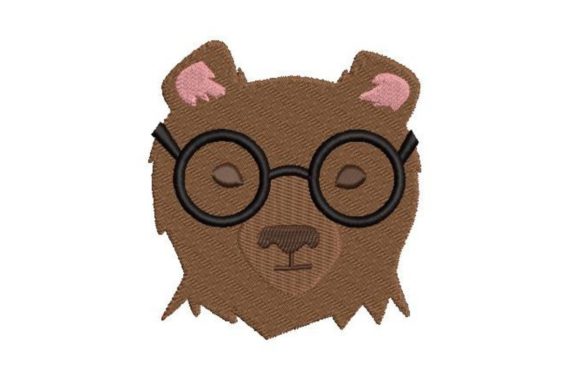
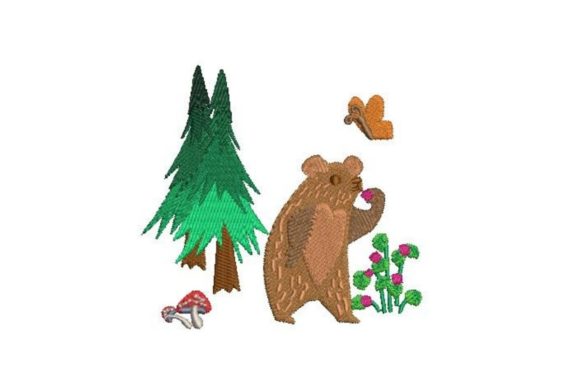
The immediate appeal of Bear in Habitat lies in its narrative quality. Unlike isolated icons, this design places the bear within a context, creating a lovely scene that feels complete. The visual personality is undeniably cute yet rustic, striking a balance that works well for both children’s wear and adult apparel with a playful twist. The stitching mood appears soft and inviting, which is essential for items meant to convey comfort, such as hoodies and loungewear.
From a decorative strength perspective, the design offers enough detail to look premium without becoming overly dense. This is a critical distinction for boutique apparel. If a design is too busy, it can look cheap on softer fabrics like fleece or jersey. However, Bear in Habitat seems to maintain a clean outline with sufficient internal detailing to catch the light and add texture. It feels trendy in its appreciation for nature-inspired aesthetics, yet classic enough to remain relevant beyond a single season. For a boutique brand focusing on Woodland Animals, this design serves as a strong anchor piece.
Apparel Applications: From Sweatshirts to Totes
When planning a collection, versatility is key. I evaluated how this embroidery file might translate across different garment types. Here is how I envision using it in a real-world production scenario:
- Sweatshirt Embroidery: This is perhaps the strongest use case. On a neutral cream or oatmeal sweatshirt, the earthy tones of the bear and its habitat would pop beautifully. The texture of the fleece provides a sturdy base that supports the stitch work without puckering, assuming proper stabilization.
- Hoodie Design: For a hoodie design, I recommend placing this on the left chest for a subtle, high-end look. Alternatively, scaling it up for a full-back print creates a statement piece that appeals to customers looking for unique, custom apparel.
- T-Shirt Embroidery: On lighter cotton tees, this design adds a touch of sophistication. It transforms a basic tee into a handmade product with perceived higher value. Pastel hoodies or t-shirts provide a soft backdrop that enhances the adorable nature of the bear.
- Tote Bag Design: Canvas totes are incredibly popular among eco-conscious shoppers. Embroidering Bear in Habitat on a natural canvas bag creates a durable, stylish accessory that markets itself through daily use.
- Denim Jackets: The contrast of colorful threads against dark denim is striking. This design could serve as a focal point on the back yoke or as a smaller accent on the pocket, appealing to a younger, trend-focused demographic.
Technical Considerations for Professional Results
While the aesthetic is promising, the technical execution determines whether a finished product looks amateur or professional. As an experienced designer, I always advise checking specific technical details before committing to a production run. The product description notes that this digital embroidery file comes with multiple embroidery file formats, which is excellent for compatibility with various machines. However, since specific stitch counts and exact hoop sizes are not detailed in the brief description, you must confirm these details on the Creative Fabrica product page before purchasing.
Here are my practical notes for ensuring quality:
- Stabilizer Choice: For stretchy fabrics like jersey t-shirts or ribbed cuffs, a cut-away stabilizer is non-negotiable. For fleece sweatshirts, a tear-away might suffice if the stitch density is low, but testing is required to prevent distortion.
- Fabric Texture: Always test on scrap fabric that matches your final garment. The loop of a towel or the pile of a heavy fleece can swallow small stitches. Ensure the details of the habitat scene remain visible on your chosen material.
- Thread Colors: Review the suggested thread colors carefully. While you can customize them, the default palette likely offers the best contrast. For dark garments, consider using metallic or high-sheen threads to make the bear stand out.
- Hoop Size: Confirm the maximum hoop size required. If the design is large, you may need a 5x7 or 6x10 hoop. Ensure your machine can accommodate this, especially if you plan to do multi-hoop designs or large back placements.
- Stitch Density: Inspect the stitch density in your software if possible. High density on thin fabric causes puckering. If the design is dense, use a lightweight fusible interfacing on the back of the fabric area to be embroidered.
Enhancing Brand Identity and Buyer Trust
In the world of commercial embroidery, consistency builds trust. Using a cohesive theme like Bear in Habitat helps establish a recognizable visual identity for your shop. When customers see a well-executed, detailed design repeatedly across your social media graphics and Etsy listings, they begin to associate that level of quality with your brand. This design contributes to professional presentation because it looks intentional rather than slapped on.
Furthermore, lifestyle product photos featuring this design can significantly boost engagement. Imagine a photo of a child wearing a hoodie with the bear embroidered on the chest, sitting in a cozy, nature-inspired setting. These images tell a story. They help buyers visualize the small shop product in their own lives. A printable mockup can help you plan these shots, but nothing replaces the texture and depth of real embroidery in photography. The tactile nature of the stitches adds a layer of luxury that printed graphics simply cannot match.
Strategic Placement and Avoiding Common Pitfalls
Where you place the design is just as important as the design itself. For Bear in Habitat, avoid placing it directly over seams or zippers, as this can cause needle breaks and misalignment. Be cautious with curved surfaces like the sleeve cap; unless you have a specialized hoop or extensive experience, flat areas like the chest, back, or hem are safer bets for maintaining the integrity of the scene.
Also, consider the scale. If the design includes tiny lettering or very fine details in the habitat background, ensure it is large enough to be stitched clearly. Tiny details can get lost or become messy on textured fabrics like terry cloth. If you are unsure, stitch a sample on a similar garment fabric to check for clarity. This step saves time and materials in the long run, protecting your profit margins.
Final Verdict for Creative Entrepreneurs
Bear in Habitat is a strong contender for designers looking to expand their Woodland Animals collection. It offers the flexibility needed for various apparel types, from casual t-shirts to premium hoodies. Its charm lies in its completeness; it is a scene, not just an icon. For Etsy sellers and creative entrepreneurs, this design provides an opportunity to create high-value, emotionally resonant products. By paying attention to stabilizer choice, fabric texture, and placement, you can ensure that every piece you produce reflects the high standards of your boutique brand. Always remember to review the licensing terms on Creative Fabrica to ensure you are compliant when selling finished apparel, and happy stitching!