Heart WA: A Designer’s Review for Real Embroidery Projects
As an embroidery designer who has spent years digitizing patterns and critiquing finished stitches, I approach every new machine embroidery design with a mix of curiosity and skepticism. We have all seen designs that look stunning on a screen but turn into a tangled mess of thread breaks and puckering once they hit the fabric. When I first loaded Heart WA into my software, I was looking for more than just aesthetic appeal; I wanted to know if it would hold up in a real-world production environment. This piece belongs to the Around The World category, which often implies a need for cultural or geographical accuracy mixed with decorative flair. Here is my practical assessment of how this design performs from the digitizer’s hoop to the customer’s hands.
First Impressions and Visual Personality
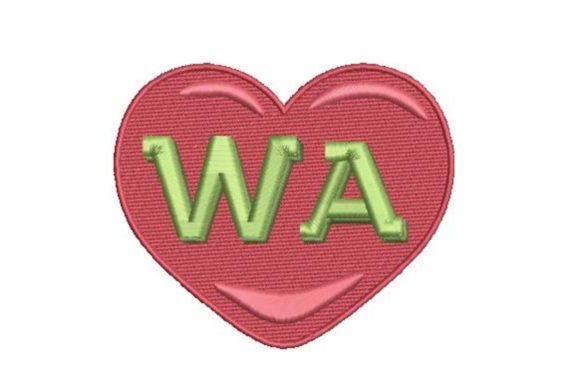
The immediate charm of Heart WA lies in its versatility. The concept is clever: a heart shape that serves as a vessel for multiple interpretations—Washington state, WhatsApp, or Western Australia. From a design perspective, this ambiguity is actually a strength. It allows the motif to transcend specific niches and become a broader symbol of connection or location-based pride. The layout feels balanced, avoiding the common pitfall of overcrowding the central shape with too much detail. For an embroidery project, this means the visual weight is distributed evenly, which is crucial for maintaining hoop stability during stitching.
The mood created by this design is warm and inviting. It does not scream for attention with aggressive outlines or excessive density. Instead, it offers a gentle, approachable aesthetic that fits well within the current trend of minimalist yet meaningful handmade products. Whether you are aiming for a rustic vibe or a modern clean look, the foundational structure of Heart WA provides a solid canvas for your thread color choices.
Real-World Application: From Tote Bags to Sweatshirts
To truly evaluate an embroidery file, you must imagine it on actual garments and home goods. I visualized Heart WA stitched onto a natural cotton canvas tote bag design. In this scenario, the design acts as a subtle branding element or a personalized touch for a local market shopper. The scale seems appropriate for a chest placement or a centered front panel. Because the design likely utilizes a combination of satin stitch borders and fill stitch interiors, it should lay flat against the textured weave of canvas without sinking in, provided the correct stabilizer is used.
Another strong candidate for this pattern is sweatshirt embroidery. Fleece and French terry fabrics can be tricky due to their pile and stretch. However, if Heart WA maintains moderate stitch density, it can sit beautifully on a crewneck without causing the fabric to pucker around the edges. I can also see this working effectively as a personalized gift for new parents, perhaps stitched onto a baby onesie or a burp cloth. In these smaller applications, the clarity of the heart shape ensures the message remains legible even at reduced sizes. For Etsy sellers and small shop product creators, this adaptability means you can offer the same digital asset across multiple product lines, maximizing your return on investment.
Navigating Fabric Textures and Hoop Constraints
While Heart WA is versatile, it is not without its technical demands. Any experienced embroiderer knows that fabric texture plays a massive role in the final outcome. If you are stitching on thin or stretchy fabric, such as jersey knits for custom apparel, you must be diligent with your stabilization. A cut-away stabilizer is often safer than tear-away for designs that will undergo frequent washing, ensuring the stitches do not pull or distort over time.
Curved surfaces present another challenge. If you plan to use this on a cap or hat, you must consider the hoop size and the curvature of the brim. Detailed corners and tight curves in heart shapes can sometimes lead to thread bunching if the machine speed is too high or if the tension is not perfectly calibrated. I recommend testing the design on a scrap piece of similar fabric before committing to a final finished product. This is especially true for dark fabrics where you might want to use a lighter thread for contrast; the underlying fabric color can sometimes show through sparse stitch areas, affecting the visual clarity.
Commercial Viability and Brand Consistency
For those running a craft business, the commercial viability of a design is paramount. Heart WA offers excellent potential for commercial embroidery because of its broad appeal. It is not overly seasonal, meaning it can be sold year-round, unlike holiday-specific motifs. This consistency helps in building a recognizable brand aesthetic. When customers see a clean, well-stitched heart motif, they associate that quality with your shop. Whether you are creating embroidered patches for jackets or adding details to kitchen towels, the professionalism of the stitch-out reflects directly on your brand value.
Moreover, the design’s simplicity makes it ideal for creating printable mockups and digital previews. Clear, distinct shapes photograph well, which is essential for online listings. High-quality images of the stitched design can significantly boost buyer engagement and trust. As a digital embroidery file provider or a seller of physical goods, ensuring that your marketing materials accurately represent the stitch quality is key to reducing returns and negative reviews.
Practical Notes for the Embroiderer
Before you load Heart WA into your machine, take a moment to review the technical specifications. Since the product description mentions it comes with multiple embroidery files, check which formats are compatible with your specific machine. Verify the recommended hoop size to ensure the design fits without needing to re-hoop, which can introduce alignment errors.
- Test on Scrap Fabric: Always run a test stitch-out on the same type of fabric you intend to use for the final item. This helps you adjust tension and density if needed.
- Check Thread Contrast: Experiment with different thread colors. A monochromatic look can be sophisticated, while contrasting colors can make the heart pop. Ensure the colors complement the fabric background.
- Review Stitch Density: If the design feels too dense for lightweight fabrics, consider using a water-soluble topping to prevent the stitches from sinking into the fabric pile.
- Confirm Licensing: If you plan to sell items made with this design, double-check the license terms. Most designers allow the sale of finished physical items, but restrictions may apply to selling the digital file itself.
- Inspect Small Details: Zoom in on the digitizing software to check for any unnecessary jump stitches or tight turns that might cause thread breaks.
In conclusion, Heart WA is a thoughtful addition to any designer’s library. It balances aesthetic charm with practical usability, making it suitable for a wide range of projects from baby embroidery to boutique apparel. By respecting the technical requirements of the fabric and machine, you can leverage this design to create high-quality, profitable, and visually appealing products. It is a reliable tool for anyone looking to add a touch of heartfelt personalization to their craft.