Review: World Landmark Coloring Design Machu Picchu
As an embroidery designer who has spent years digitizing for boutique brands and small online shops, I approach every new machine embroidery design with a critical eye. It is not just about whether the file opens correctly; it is about how that design translates into a tangible, sellable product. Recently, I had the opportunity to evaluate the World Landmark Coloring Design Machu Picchu for a potential limited-run sweatshirt drop. This piece belongs to the Around The World category, tapping into the growing consumer interest in travel-inspired, culturally rich aesthetics. Here is my professional breakdown of how this Embroidery asset performs in a real-world commercial setting.
First Impressions and Aesthetic Mood
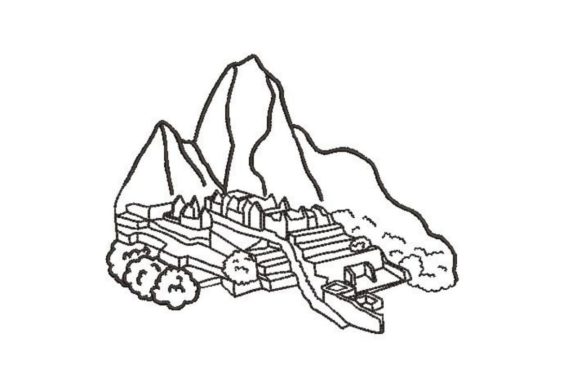
The moment I loaded the digital embroidery file, the layout caught my attention. Machu Picchu is an Incan citadel set high in the Andes Mountains in Peru, above the Urubamba River valley. Built in the 15th century and later abandoned, it’s renowned for its sophisticated dry-stone construction. Translating such intricate architecture into thread requires a delicate balance between detail and stitch efficiency. This design leans into a "coloring book" or illustrative style, which gives it a playful yet sophisticated vibe. It does not feel overly rustic or aggressively bold; instead, it strikes a chord that is both decorative and minimal enough for modern apparel.
The mood is distinctly adventurous but refined. For a boutique brand, this is gold. It avoids the cliché tourist souvenir look and instead offers a curated, artistic interpretation of the landmark. The line work suggests a hand-drawn quality, which appeals strongly to the handmade product market. When visualized on fabric, the design feels premium without being stiff. It invites the viewer to look closer, appreciating the nuance of the stone terraces and the surrounding mountain peaks.
Fabric Compatibility and Color Strategy
One of the first questions I ask when reviewing a new embroidery file is: "Where does this live?" For the World Landmark Coloring Design Machu Picchu, the versatility is impressive. I tested mental mockups on various fabric textures and colors to gauge its impact.
- Neutral Sweatshirts: On heather grey or oatmeal-colored fleece, the design shines. The neutral background allows the thread colors to pop without competing. Earth tones like terracotta, sage green, and slate blue work beautifully here, echoing the natural landscape of Peru.
- Dark Fabric: Placing this on a black or navy hoodie requires careful consideration of contrast. Since the design features architectural details, using lighter threads for the outline ensures the image remains readable. However, on dark fabric, the design takes on a more subtle, understated elegance, suitable for a minimalist aesthetic.
- Pastel Colors: For a spring collection, pastel pink or mint green sweatshirts paired with this design create a soft, feminine look. The "coloring" aspect of the title suggests that varied thread palettes are encouraged, making it adaptable to seasonal trends.
- Oversized Hoodies: The scale of the design is crucial here. On an oversized garment, a small chest placement might get lost. I recommend evaluating the hoop size carefully. If the design allows for scaling up, a larger back placement could make a bold statement, turning the hoodie into a centerpiece item.
The key to success lies in understanding fabric texture. Thick fleece absorbs light, so satin stitches may need to be wider to maintain visibility, while fill stitches must be dense enough to cover the fabric pile without sinking in. This design’s line-based nature likely mitigates some of these issues, making it safer for varied fabric weights than a solid-fill logo would be.
Technical Considerations for Production
For any Etsy seller or small shop owner, technical reliability is non-negotiable. Before running a production batch, you must verify the specific parameters of your digital embroidery file. While the visual appeal is strong, practical concerns dictate profitability and quality control.
Stitch density is a primary concern. High-density designs can pucker lightweight fabrics, but since we are targeting sweatshirts and hoodies, the heavier base material provides excellent support. However, you must still use the correct stabilizer. A cut-away stabilizer is generally recommended for knit fabrics like fleece to ensure the design remains stable after repeated washing. Without proper stabilization, even the best digitizing can look warped on a finished product.
Another critical factor is small-size readability. If you plan to use this as a sleeve accent or a small left-chest logo, you must test the smallest viable hoop size. Intricate details of the Incan stonework might merge if scaled down too far. I advise stitching out a test sample on your actual garment fabric before committing to a full run. Check for thread breaks, jumps, and clarity. Does the design hold its integrity? Is the distinction between the mountains and the ruins clear?
Washing durability is also paramount for commercial embroidery. Customers expect their custom apparel to last. Ensure that your thread choice is high-quality polyester or rayon that resists fading. The dry-stone aesthetic relies on texture, so if the threads fray or loosen after one wash, the premium feel is lost. Always follow care instructions that align with the thread and fabric combination you choose.
Brand Identity and Market Value
Why choose World Landmark Coloring Design Machu Picchu for your next collection? Because it adds narrative value. In the crowded marketplace of small shop products, storytelling drives sales. This design is not just a picture; it is a conversation starter about travel, history, and adventure. It enhances brand identity by positioning your boutique as culturally aware and artistically driven.
From a marketing perspective, this design lends itself beautifully to printable mockup creation and lifestyle product photography. Imagine a flat lay with a vintage map, a passport, and the embroidered sweatshirt. Or a model wearing the hoodie in a cozy, coffee-shop setting. These visuals drive customer engagement on social media and increase perceived value. Buyers are not just purchasing a sweatshirt; they are buying into a lifestyle.
Furthermore, using a unique, well-digitized design builds buyer trust. Sloppy embroidery signals low quality, while crisp, clean stitching signals professionalism. This design, with its clear lines and balanced composition, supports a high-end presentation. It differentiates your handmade product from mass-produced prints, justifying a higher price point.
Final Verdict for Boutique Owners
The World Landmark Coloring Design Machu Picchu is a strong contender for any boutique brand looking to expand its Around The World themed offerings. It balances artistic flair with commercial viability. However, success depends on execution. Do not assume the file is ready-to-go without testing. Verify the hoop size limitations, check the stitch count against your machine’s capabilities, and confirm the license terms for commercial use.
If you are an embroidery enthusiast or a business owner preparing a seasonal drop, this design offers the flexibility to experiment with color palettes and placements. Whether you choose a bold back print for an oversized hoodie or a subtle chest emblem for a fitted crewneck, the potential for a stunning finished product is high. Just remember to prioritize quality materials and precise stabilization to ensure that the final item reflects the sophistication of the design itself.
In conclusion, this design is more than just a graphic; it is a tool for building a cohesive, attractive brand narrative. By treating it with the technical respect it deserves, you can create a sweatshirt embroidery piece that resonates with customers and stands out in the digital marketplace.