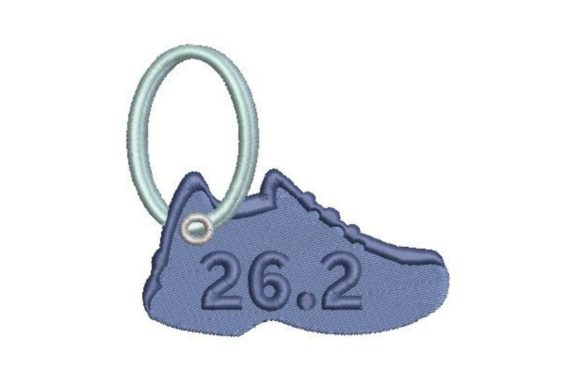
Runner Keychain: A Designer’s Review for Branded Merch
As an embroidery designer who has spent years digitizing and testing patterns for commercial use, I approach every new machine embroidery design with a critical eye. It is not just about whether a pattern looks pretty on a screen; it is about how it performs under the needle, how it holds up after washing, and most importantly, how it serves the brand identity of the small business owner using it. Today, I am reviewing the Runner Keychain, a digital asset targeted at the sports and lifestyle niche. For boutique owners, Etsy sellers, and apparel decorators, understanding the practical application of this design is crucial before adding it to your product line.
First Impressions: Visual Personality and Market Fit
The premise of the Runner Keychain is straightforward: it appeals to running fans who want to showcase their passion. From a design perspective, this suggests a motif that is likely energetic, dynamic, and recognizable. In the world of Sports themed Embroidery, clarity is king. When I first evaluate a design like this, I look for bold lines and sufficient spacing. A design intended for keychains or small patches cannot rely on subtle gradients or microscopic details. It needs to read well from a distance and maintain its integrity when scaled down.
This design feels playful yet purposeful. It fits seamlessly into the aesthetic of modern activewear brands, local running clubs, or fitness-focused boutiques. For a small business, this visual personality translates into merchandise that feels authentic rather than generic. Whether you are creating branded swag for a marathon team or selling handmade gifts on Etsy, the vibe here is approachable and enthusiastic. It does not try to be overly elegant or rustic; instead, it leans into a clean, modern sportiness that resonates with a wide audience.
Real-World Applications for Small Business Merch
The true value of a versatile digital embroidery file lies in its adaptability. The Runner Keychain is not limited to its namesake application. Here is how I envision this design performing across various commercial projects:
- Embroidered Patches: This is perhaps the strongest use case. A well-digitized runner motif makes for an excellent iron-on or sew-on patch. These can be sold as standalone accessories or applied to denim jackets, gym bags, and hats. Patches allow customers to customize their gear, increasing engagement and perceived value.
- Cap Embroidery: Running caps are a staple in athletic wear. Placing this design on the front panel of a structured cap requires precise digitizing to account for the curve. If the design is compact, it works beautifully as a chest logo accent or a side-sleeve detail on performance shirts.
- Tote Bag Design: Canvas tote bags are popular among eco-conscious consumers and shoppers. A bold runner graphic adds a functional artistic element to a simple bag, turning it into a statement piece for gym-goers or grocery runners.
- Staff Uniforms and Aprons: For businesses like sports cafes, juice bars, or athletic retail stores, staff apparel is a walking advertisement. Embroidering this design on aprons or polo shirts creates a cohesive brand identity. It signals professionalism and shared passion among the team.
- Customer Gifts and Event Merch: Local 5Ks, fun runs, and charity events need memorable merchandise. This design can be scaled for luggage tags, water bottle holders, or drawstring bags, serving as a tangible reminder of the event.
Technical Considerations and Production Challenges
While the concept is strong, execution is where many designers stumble. Before you commit to a large production run of custom apparel or accessories, you must address several technical factors. The product description notes that the file comes in multiple formats, which is essential for compatibility with different machines. However, it does not specify stitch count or exact dimensions. This is a critical gap you must fill before production.
Stitch density is a major concern for small items like keychains or patches. If the design is too dense, it will cause puckering, especially on lighter fabrics or unstable materials. Conversely, if it is too sparse, the backing fabric might show through, ruining the professional look. I always recommend testing the design on a scrap piece of the actual fabric you intend to use. Pay close attention to the thread colors you select. High contrast is necessary for visibility, but ensure the colors align with your client’s brand palette.
Another challenge is the surface texture. Fabric texture plays a huge role in the final outcome. Terry cloth towels, thick denim, and sleek performance polyester all react differently to the same needle penetration. For curved surfaces like cap fronts, you must use the appropriate hoop size and stabilizer. A heavy cut-away stabilizer is often necessary for stretchy athletic fabrics to prevent distortion after washing. Always create a printable mockup for client approval, but remember that a digital preview never fully replaces a physical test stitch-out.
Impact on Brand Identity and Customer Trust
Why does the quality of your embroidery matter? Because it directly influences brand identity and customer trust. A sloppy, puckered, or misaligned embroidery job screams "amateur." It devalues the finished product and can damage your reputation as a creator. On the other hand, crisp, clean stitching elevates a simple item into a premium good. When a customer receives a tote bag or patch with high-quality Runner Keychain embroidery, they perceive the brand as attentive to detail and professional.
Consistency is key. If you are building a line of small business merch, ensure that this design complements your other design assets. Visual consistency across your product range helps buyers recognize your brand instantly. Whether it is a logo on a shirt or a motif on a keychain, the quality of the stitch work reinforces the narrative of your brand. Are you rugged and durable? Or sleek and high-performance? Your thread choice and stitch quality communicate this silently but powerfully.
Practical Designer Notes for Commercial Use
To ensure success with the Runner Keychain design, follow these practical steps before launching your product:
- Test in Black and White First: Remove color distraction to check for balance and readability. If the design loses its shape without color, it needs digitizing adjustments.
- Check Scalability: Verify if the design holds up at small patch sizes. Tiny lettering or intricate outlines may merge or break when scaled down.
- Review Thread Contrast: Ensure your chosen thread colors stand out against the fabric. Dark uniforms may require lighter threads, while light fabrics need bold, dark accents.
- Inspect Spacing and Density: Look for areas where stitches are too close together, which can cause thread breaks or fabric bunching.
- Confirm Hoop Size and Stabilizer: Match the hoop size to your machine’s capabilities and choose a stabilizer that supports the specific fabric weight and stretch.
- Create Client Mockups: Use high-quality images to show clients how the design looks on real products. This manages expectations and reduces revision requests.
- Verify Licensing: The description mentions it can be used with multiple embroidery systems, but always confirm the commercial licensing terms. Ensure you have the right to sell items made with this digital embroidery file before starting commercial embroidery projects.
In conclusion, the Runner Keychain offers a promising avenue for creators in the sports and lifestyle market. Its potential extends far beyond simple keychains, offering versatility for patches, apparel, and accessories. By paying attention to technical details like stabilizer choice, stitch density, and fabric compatibility, you can transform this digital asset into a high-value physical product. For small business owners and embroidery professionals, the key to success lies not just in the design itself, but in the meticulous care taken during its execution. Treat every stitch as a reflection of your brand, and your merchandise will speak volumes.