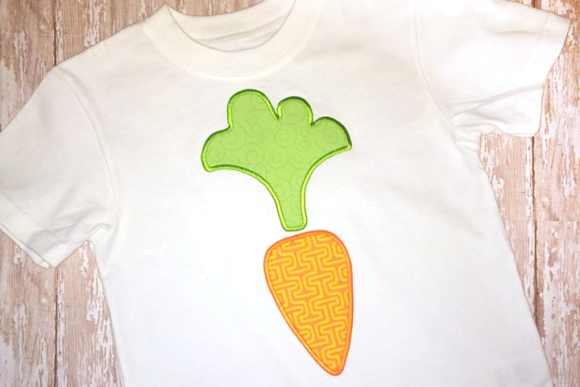
Easter Carrot: A Designer’s Review for Business Merch
As an embroidery designer who has spent years digitizing and reviewing files for commercial use, I approach every new machine embroidery design with a critical eye. It is not just about whether a motif looks cute on a screen; it is about how it performs in the real world of small business merchandise. Today, I am reviewing the Easter Carrot, a design marketed to add a lovely pop of color to seasonal projects. For boutique owners, Etsy sellers, and apparel decorators, understanding the practical application of this file is crucial before committing to production runs.
First Impressions: Visual Personality and Brand Fit
The Easter Carrot immediately presents itself as a friendly and playful asset. In the context of brand identity, this design leans heavily into the "handmade" and "whimsical" aesthetic. It is not trying to be ultra-modern or minimalist; rather, it embraces a classic, decorative charm that resonates well with customers looking for authentic, craft-based products. For a bakery, a florist, or a local café launching a spring campaign, this visual personality is a strong asset. It signals warmth and approachability.
However, from a professional standpoint, we must look beyond the initial charm. Does the design hold up when scaled down for a chest logo? Does the color palette translate well across different fabric textures? The description highlights its suitability for kitchen towels and aprons, which suggests the digitizer likely accounted for standard home decor weights. But for a small business owner, versatility is key. We need to determine if this digital embroidery file can transition from a home hobbyist project to a polished piece of commercial merchandise.
Real-World Applications for Small Business Merch
When evaluating Easter Carrot for commercial use, I visualize several specific applications where this design could drive engagement and sales. Here is how I see it performing in a real business scenario:
- Embroidered Patches: This is perhaps the most versatile use case. By stitching the carrot onto twill or felt and cutting it out, you create a removable asset. These patches can be sold as standalone accessories or applied to denim jackets, tote bags, and caps. This allows customers to customize their own items, increasing the perceived value of your small business merch.
- Apron Embroidery: For bakeries and craft studios, branded aprons are walking advertisements. The Easter Carrot works beautifully here, especially if placed on the bib or the lower corner. It adds a seasonal touch to staff uniforms without being overly distracting, maintaining a professional yet festive look.
- Tote Bag Design: Canvas totes are staples for retail shops. Stitching this design on a natural cotton tote creates an instant bestseller during the spring season. The contrast of bright orange and green threads against neutral canvas is visually striking and highly Instagrammable, aiding in organic marketing.
- Cap Embroidery: Placing the carrot on the side panel or the back of a dad hat offers a subtle branding opportunity. It is less aggressive than a full-front logo but still establishes brand recognition. This works particularly well for lifestyle brands and creative studios.
These applications demonstrate that the design is not limited to static home decor. When used strategically, it becomes a dynamic part of your custom apparel and accessory lineup.
Technical Considerations and Production Risks
While the aesthetic appeal is high, any experienced embroiderer knows that technical execution determines the quality of the finished product. There are specific areas where the Easter Carrot requires careful handling to avoid production issues.
First, consider stitch density. If the design is too dense, it can cause puckering, especially on lighter fabrics like linen tablecloths or thin cotton tees. Before running a full batch, you must test the design on the exact fabric you intend to use. If you notice pulling, you may need to adjust your stabilizer strategy. Using a cut-away stabilizer for stretchy fabrics or a tear-away for stable wovens is essential to maintain the integrity of the stitch work.
Second, be cautious with scale. If you attempt to shrink the Easter Carrot for a tiny label or a small pocket detail, you risk losing definition. Fine details can merge together if the design is reduced beyond its intended limits. Always check the recommended hoop size provided with the file. If the documentation does not specify minimum dimensions, create a test stitch-out at 50% and 75% scale to see where the clarity breaks down.
Additionally, thread color contrast is vital. The design relies on the vibrancy of orange and green. On dark uniforms or navy blue tote bags, these colors might not pop as expected. You may need to introduce a white underlay or a border stitch to ensure the carrot stands out against darker backgrounds. Always create a printable mockup or a physical sample to verify visibility before approving the design for client use.
Enhancing Brand Identity and Customer Trust
Integrating seasonal designs like Easter Carrot into your product line does more than just fill inventory; it strengthens your brand narrative. Consistency in using high-quality design assets builds customer trust. When a buyer sees a cleanly stitched, well-placed motif on an apron or patch, they associate that quality with your entire brand. It signals professionalism and attention to detail.
For handmade brands, this design supports the story of artisanal care. It differentiates your products from mass-produced imports. By offering limited-edition items featuring this embroidery, you create urgency and exclusivity. This strategy boosts buyer engagement and can lead to higher conversion rates during the holiday rush. Furthermore, using such designs in your marketing materials—such as social media posts showing the embroidery process—humanizes your brand and connects you with your audience on a personal level.
Practical Designer Notes for Implementation
To ensure success with the Easter Carrot, follow these practical steps before launching your campaign:
- Test in Monochrome: Before committing to colorful threads, stitch the design in black and white. This helps you evaluate the shape and structure without the distraction of color. If it looks good in monochrome, it will look great in color.
- Verify Commercial Licensing: Never assume a file is free for commercial use. Check the license terms included with the embroidery file. Ensure you have the right to sell physical items made with this design. This protects your business from legal issues down the line.
- Fabric Testing: Stitch on every fabric type you plan to use. Texture matters. A design that looks smooth on broadcloth might look distorted on a textured towel. Adjust your tension and stabilizer accordingly.
- Mockup Creation: Use digital tools to place the design on photos of your actual products. This helps you visualize the final look and make adjustments to placement before wasting thread and fabric.
- Quality Control: Inspect the back of the embroidery. Clean bobbin work indicates a well-digitized file. Excessive trimming or messy backs can affect comfort, especially on wearable items like caps and shirts.
In conclusion, the Easter Carrot is a promising addition to your seasonal design library. It offers a blend of charm and versatility that, when executed with technical precision, can elevate your commercial embroidery offerings. By focusing on proper application, fabric compatibility, and brand consistency, you can transform this simple motif into a profitable asset for your small business. Remember, the difference between a good product and a great one often lies in the details of production and the thoughtfulness of its placement.